Essentials
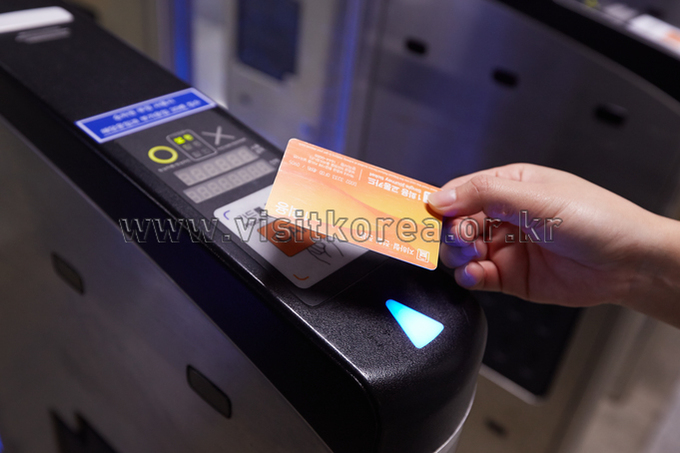
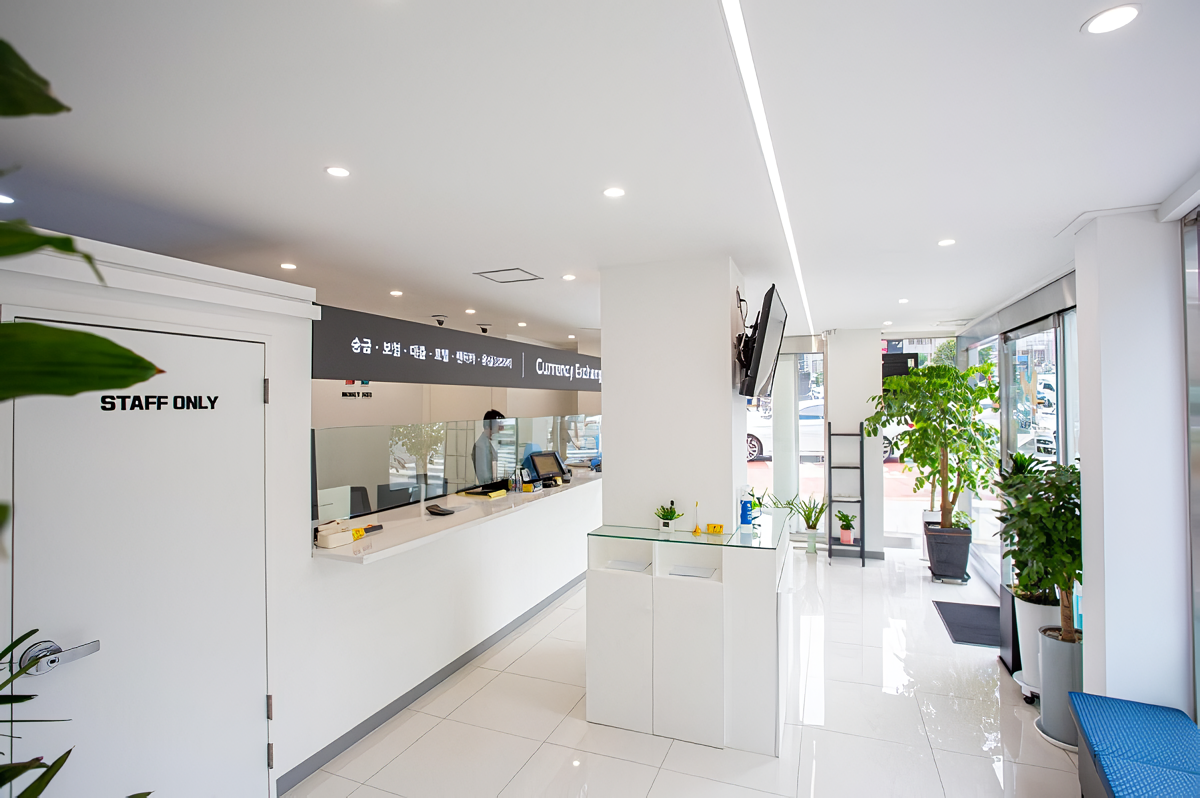
Money in Korea
Best exchange rates, ATMs & how to pay
Read guide →Korean cuisine (hansik) is built around balance — fermented sides (banchan), a steaming bowl of rice, and a main dish that changes with the season. Meals are served all at once rather than in courses, and sharing dishes at the table is the norm. The depth of flavor comes from slow-fermented pastes like doenjang (soybean) and gochujang (chili), which form the backbone of soups, stews, and marinades across the country.
Seongbuk-gu is home to Bukchon's quieter neighbour and Seoul's most literary neighbourhood, with independent bookshops and traditional restaurants tucked between old residential alleys. Ssangmun-dong's street food markets and the traditional teahouses of Samcheong-dong are highlights of this culturally rich but less-touristed district.
The atmosphere is nice and the portions are generous. The side dishes are delicious and they give you a lot of vegetables. Considering the amount of meat (grams) rather than the price, it's a great value.
Korean blogger posts. Links open original posts on Naver.