Essentials
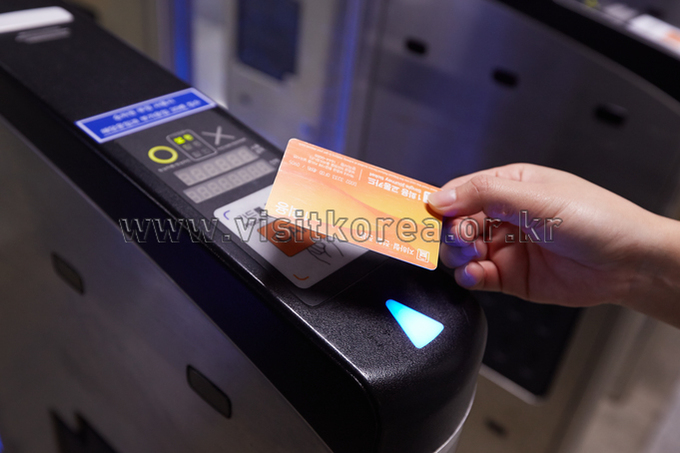
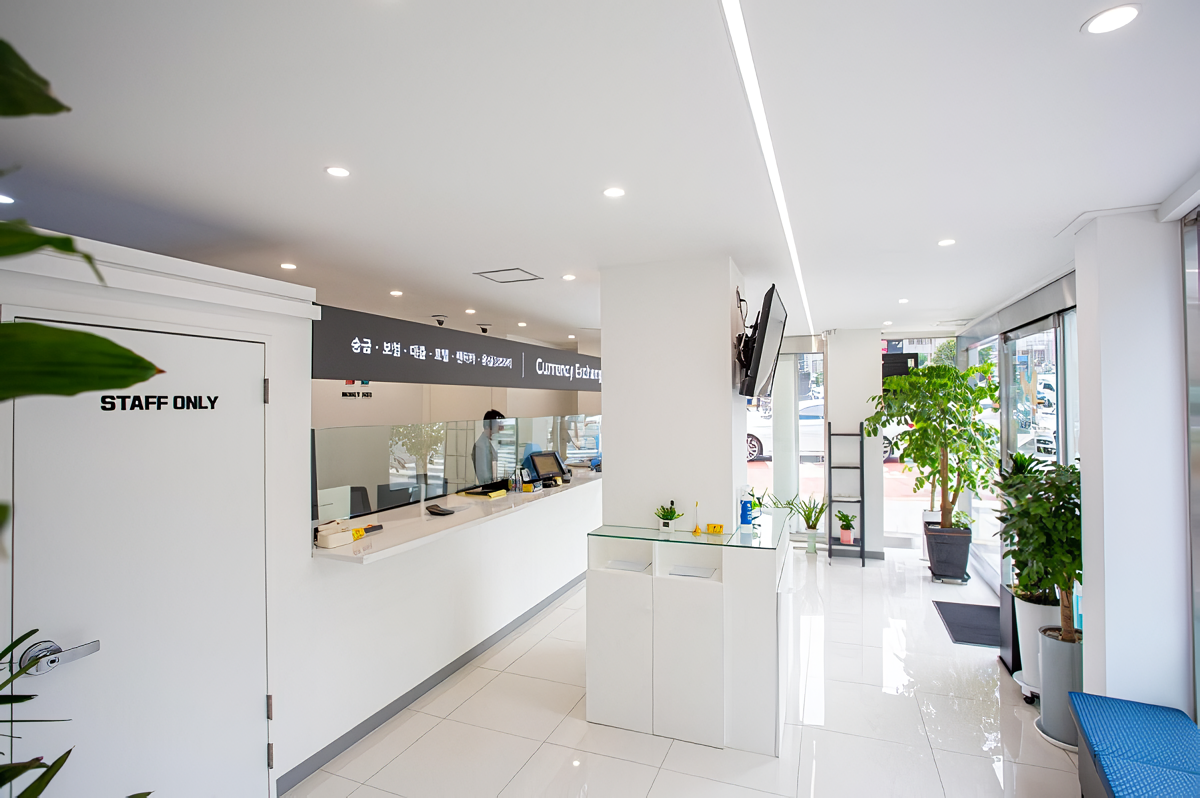
Money in Korea
Best exchange rates, ATMs & how to pay
Read guide →Korean cuisine (hansik) is built around balance — fermented sides (banchan), a steaming bowl of rice, and a main dish that changes with the season. Meals are served all at once rather than in courses, and sharing dishes at the table is the norm. The depth of flavor comes from slow-fermented pastes like doenjang (soybean) and gochujang (chili), which form the backbone of soups, stews, and marinades across the country.
Seodaemun-gu houses Sinchon and Ewha — university neighborhoods known for affordable food, vibrant nightlife, and a youthful dining culture. The area is dense with budget-friendly Korean restaurants, late-night delivery options, and cafés that stay open until the early hours. It's a neighbourhood where eating well on a student budget is entirely achievable.
We stumbled upon this place and were greeted with the highest level of hospitality. From the instructions of how to prepare the Dakhanmari to the taste of the broth and chilli paste. Thank you grandma for looking after us so well!! We ate until we could not eat any more, and safe to say it was the most delicious meal I ate whilst in South Korea. Thank you 🫰🏻❤️ 🇰🇷
There a bunch of Dakkanmari shops in this neighborhood, some lined up for an hour or more. This shop had a modest wait of a few minutes as it was full of diners. Simple dish called Dakkanmari, chicken boiled at your table in a savory broth with veg, and udon or rice at the end. Very delicious and heartwarming. They gave us instructions on how to finish the cook, use the condiments and how to eat. Really lively and loud, the service is lightning fast. Very reasonably priced too. After a long day of travel, it was the perfect first meal in Seoul! Highly recommended.
Korean blogger posts. Links open original posts on Naver.