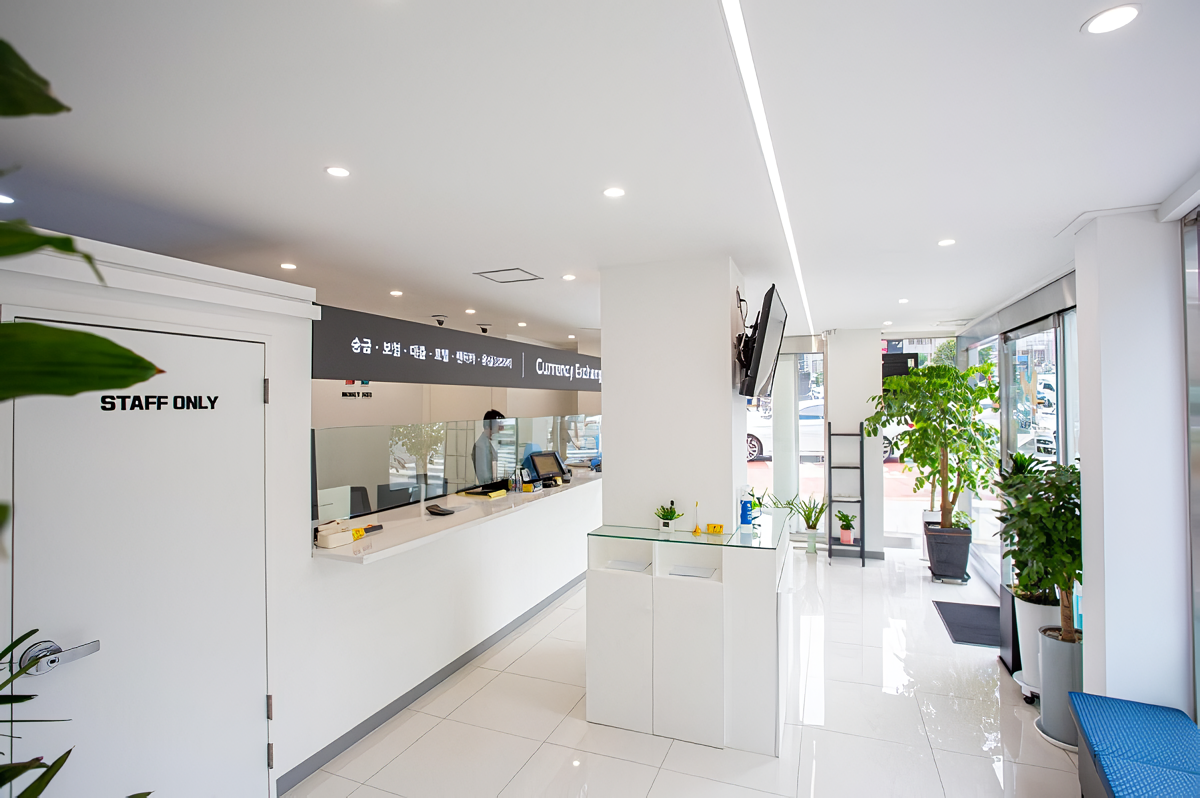
Essentials
Money in Korea
Best exchange rates, ATMs & how to pay
Read guide →Korean cuisine (hansik) is built around balance — fermented sides (banchan), a steaming bowl of rice, and a main dish that changes with the season. Meals are served all at once rather than in courses, and sharing dishes at the table is the norm. The depth of flavor comes from slow-fermented pastes like doenjang (soybean) and gochujang (chili), which form the backbone of soups, stews, and marinades across the country.
Gangbuk-gu includes the scenic Bukhansan National Park foothills and is known for hiking culture and the restaurants that serve hikers before and after their climbs — hearty soups, makgeolli, and Korean pancakes have been the fuel of choice for generations of weekend walkers.
Opened in 1992, this stone-grilled pork belly restaurant was selected as a "Century-Year-Old Restaurant" in 2021. The pork belly is gently grilled on a hot stone plate, imparting a savory flavor without burning it, and the thinly sliced meat is characterized by its lightness. However, those who prefer a thick, juicy cut of meat may find the dish disappointing. The kimchi served on the side has a rich flavor, and the refreshing kimchi noodle soup is also a delicacy. One regret is that bean sprout salad is not provided.
I remembered this place as a delicious samgyeopsal restaurant from my childhood, so my wife and I stopped by to eat. Unfortunately, it turned out to be a daepae samgyeopsal place. What was a bit odd, though, was that daepae samgyeopsal wasn't listed on the menu... So we ordered samgyeopsal, and when the meat came out, it was frozen daepae samgyeopsal. OMG, my head was going "Ding! Ding! Ding!" My wife dislikes daepae samgyeopsal, so we only ate a few pieces and left. T_T They say this place is famous for daepae samgyeopsal. Just so you know......