Essentials
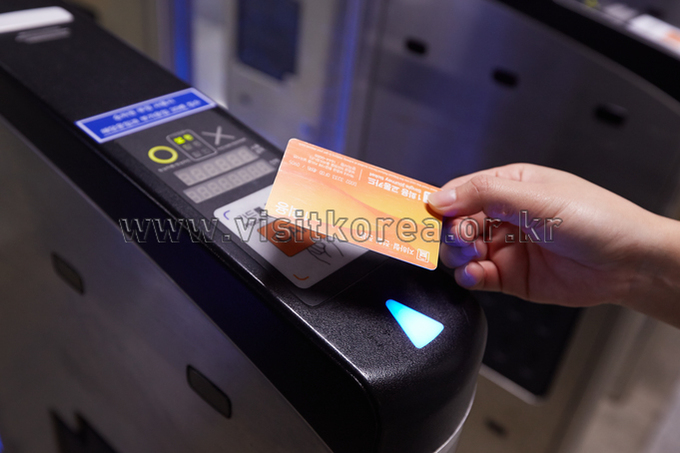
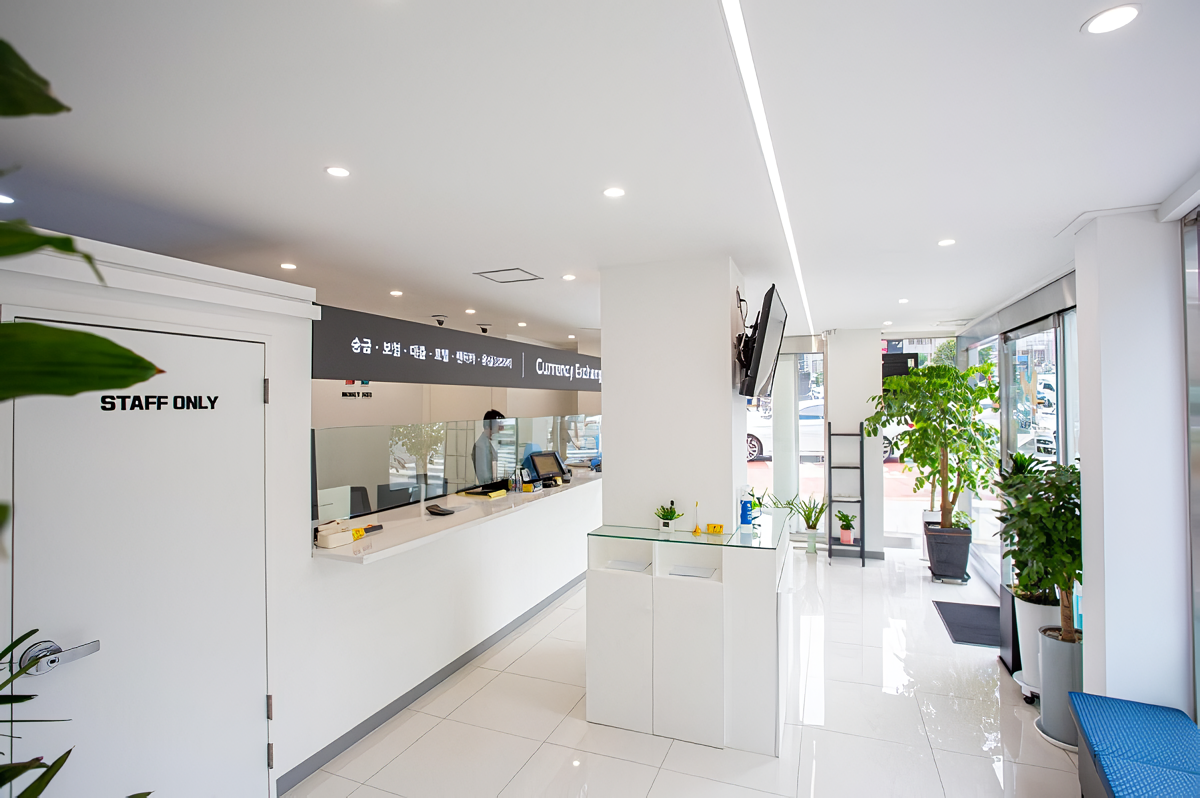
Money in Korea
Best exchange rates, ATMs & how to pay
Read guide →Korean cuisine (hansik) is built around balance — fermented sides (banchan), a steaming bowl of rice, and a main dish that changes with the season. Meals are served all at once rather than in courses, and sharing dishes at the table is the norm. The depth of flavor comes from slow-fermented pastes like doenjang (soybean) and gochujang (chili), which form the backbone of soups, stews, and marinades across the country.
Nowon-gu in northeastern Seoul is a large residential district known for its community-focused dining culture. Local restaurants here serve the kinds of meals families eat daily — doenjang jjigae, guk-based soups, grilled fish — without the theatrics of trendier areas. It's a neighbourhood that rewards those looking for genuine everyday Korean food at prices that haven't been adjusted for tourists.
My taste has changed since my first visit. The cold noodle broth had a stronger meaty flavor, and the dumplings were a bit salty. They were better for my taste. I also tried the Korean beef soup for the first time, and it was delicious.
since 2017. Ordered Galbitang and Pyongyang Naengmyeon. The side dishes were neat and unremarkable, so they didn't particularly stand out. The Galbitang had a clear broth that wasn't greasy. The meat was moderately tender. The Mul-naengmyeon had a clean and stable taste. It wasn't disappointing, but it wasn't special enough to make me want to come back; just a comfortable meal. I enjoyed the meal.
Korean blogger posts. Links open original posts on Naver.
I love Pyeongnaeng so much that I eat it several times a week. I heard this place was famous, so I stopped by, but it's not really my style... The noodles are somewhere between Pyeongnaeng and Hamheung naengmyeon... I wonder if it's really Pyeongnaeng?? I left more than half of it behind. ㅠㅠ The dumplings were delicious.