Essentials
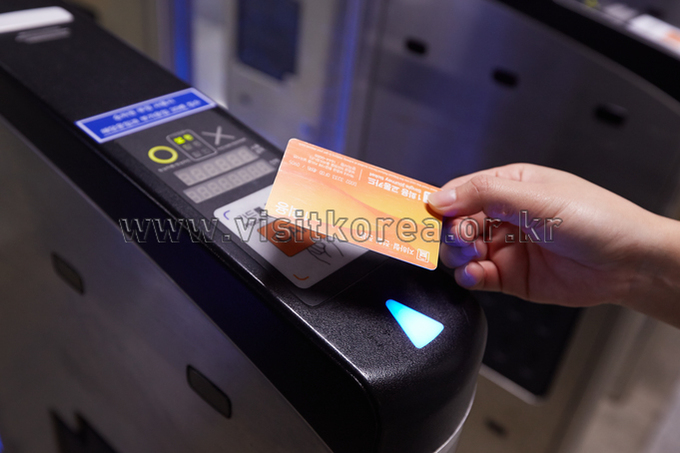
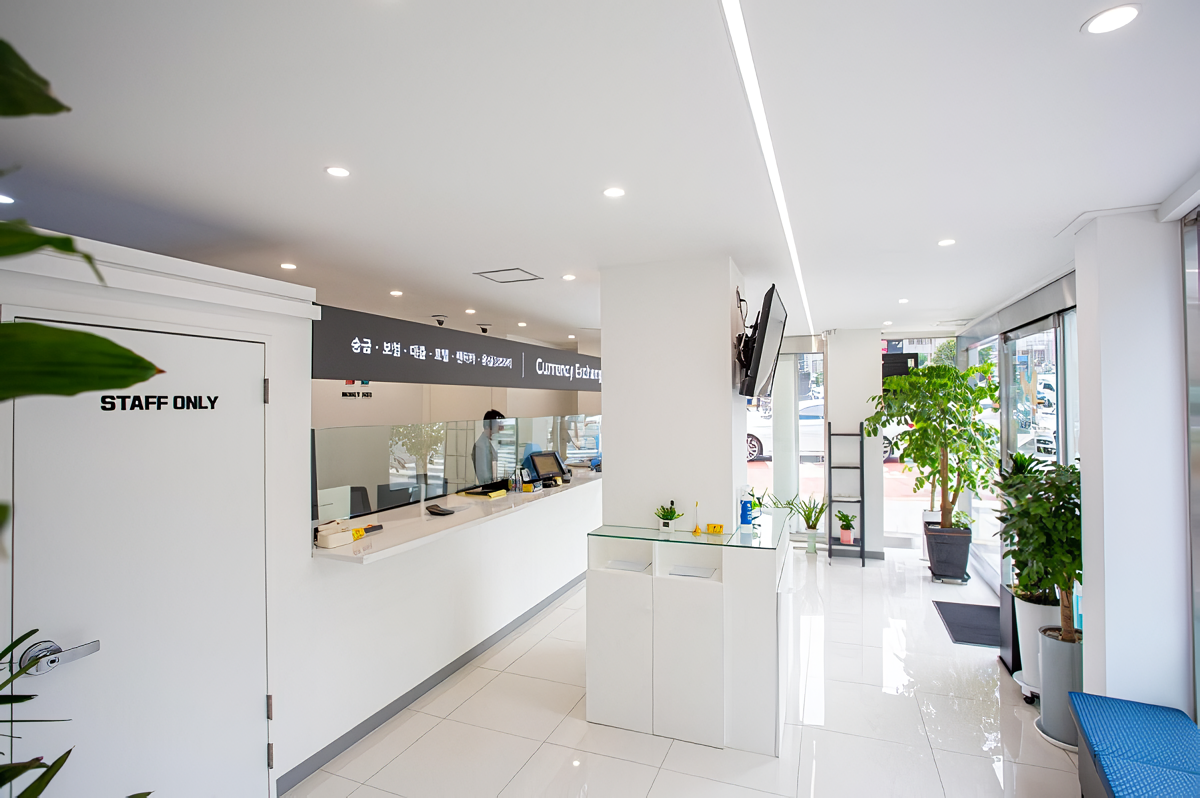
Money in Korea
Best exchange rates, ATMs & how to pay
Read guide →Korean cuisine (hansik) is built around balance — fermented sides (banchan), a steaming bowl of rice, and a main dish that changes with the season. Meals are served all at once rather than in courses, and sharing dishes at the table is the norm. The depth of flavor comes from slow-fermented pastes like doenjang (soybean) and gochujang (chili), which form the backbone of soups, stews, and marinades across the country.
Seodaemun-gu houses Sinchon and Ewha — university neighborhoods known for affordable food, vibrant nightlife, and a youthful dining culture. The area is dense with budget-friendly Korean restaurants, late-night delivery options, and cafés that stay open until the early hours. It's a neighbourhood where eating well on a student budget is entirely achievable.
After I went to the waterfall, I accidentally came across this place because its name is similar to one I know in Jakarta. I ordered the sundaeguk, and it was absolutely delicious. The sajangnim suggested adding seasoned red pepper sauce for a bit of spice, but since I don’t eat spicy food, I skipped it. Instead, I added salted shrimp, which gave the dish a perfectly balanced flavor. To finish, the sajangnim kindly served fresh baby tomatoes as dessert. For tourists, they also have an English menu posted on the wall, which makes ordering much easier. They also serve samgyetang for people who don’t or can’t eat sundae (blood sausage).
Korean blogger posts. Links open original posts on Naver.