Korean
Korean cuisine (hansik) is built around balance — fermented sides (banchan), a steaming bowl of rice, and a main dish that changes with the season. Meals are served all at once rather than in courses, and sharing dishes at the table is the norm. The depth of flavor comes from slow-fermented pastes like doenjang (soybean) and gochujang (chili), which form the backbone of soups, stews, and marinades across the country.
Mapo-gu
Mapo-gu — home to Hongdae, Sinchon, and Hapjeong — is Seoul's youth and arts district, defined by its university population, live music venues, and creative energy. The food scene is diverse, affordable, and experimental: trendy cafés, late-night pojangmacha, global street food, and boundary-pushing restaurants all compete for attention in this perpetually buzzing neighbourhood.
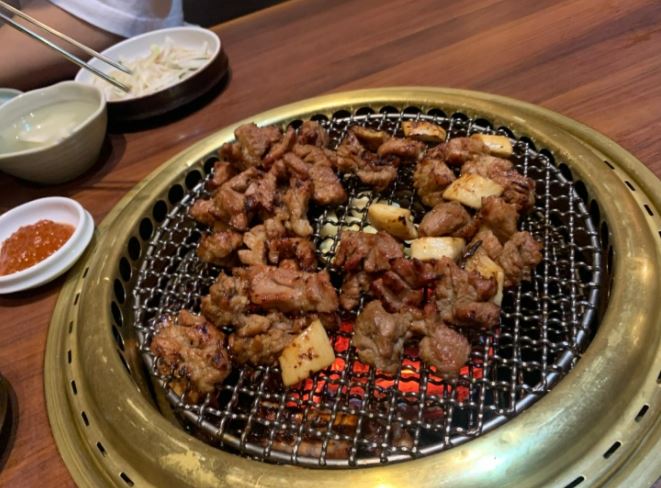
The original restaurant we were intending to eat at before watching the annual firework show was closed, strangely due to the fireworks. However, as luck would have it, this restaurant was a couple of doors down. Premium korean beef sizzling over a nicely glowing bed of coal briquettes. Amazing side dishes which were unique to them too. Honestly, deep fried fresh garlic to top it all of was unforgettable.
Korean blogger posts. Links open original posts on Naver.