Essentials
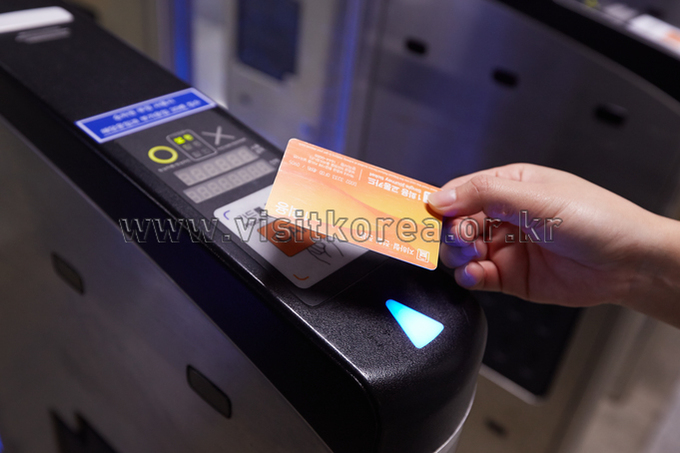
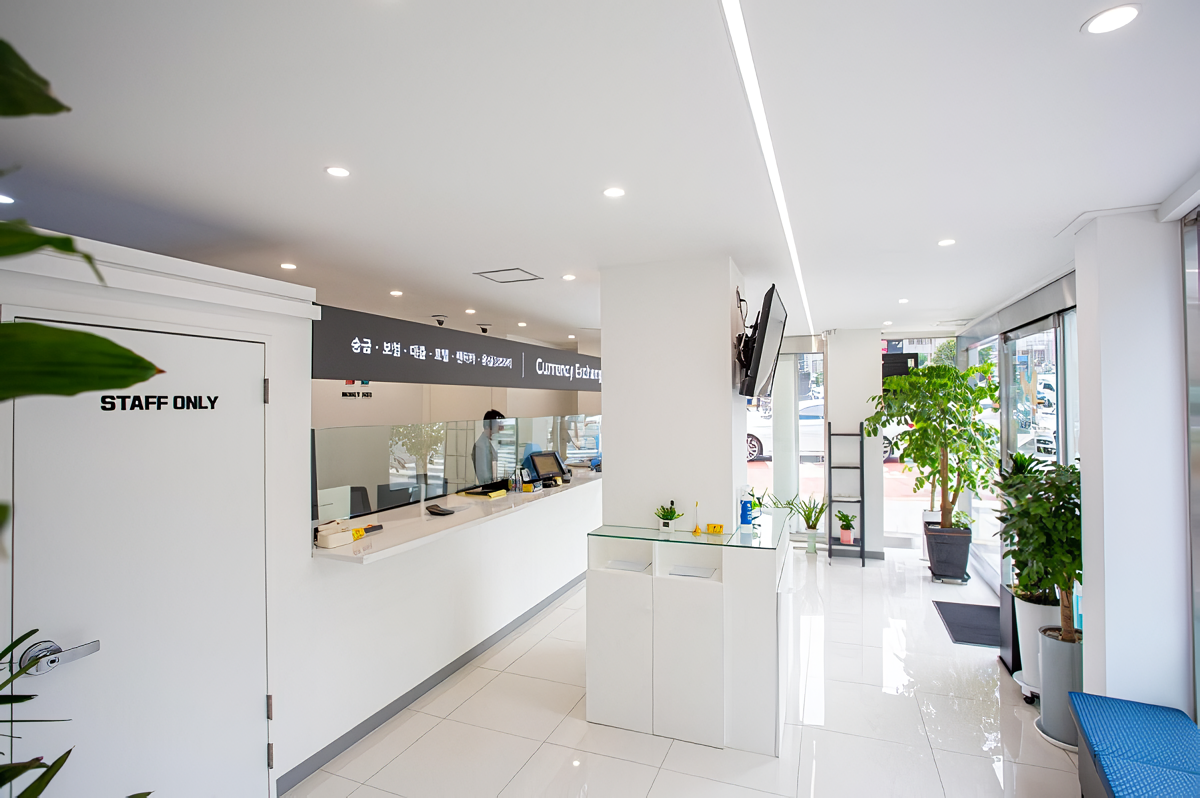
Money in Korea
Best exchange rates, ATMs & how to pay
Read guide →Korean cuisine (hansik) is built around balance — fermented sides (banchan), a steaming bowl of rice, and a main dish that changes with the season. Meals are served all at once rather than in courses, and sharing dishes at the table is the norm. The depth of flavor comes from slow-fermented pastes like doenjang (soybean) and gochujang (chili), which form the backbone of soups, stews, and marinades across the country.
Jungnang-gu is a residential district in northeastern Seoul with a working-class food culture built around affordable staples. Local markets, gukbap restaurants, and neighbourhood bunsik shops form the backbone of a dining scene that prioritises value and familiarity.
It's delicious. It's good value for money.