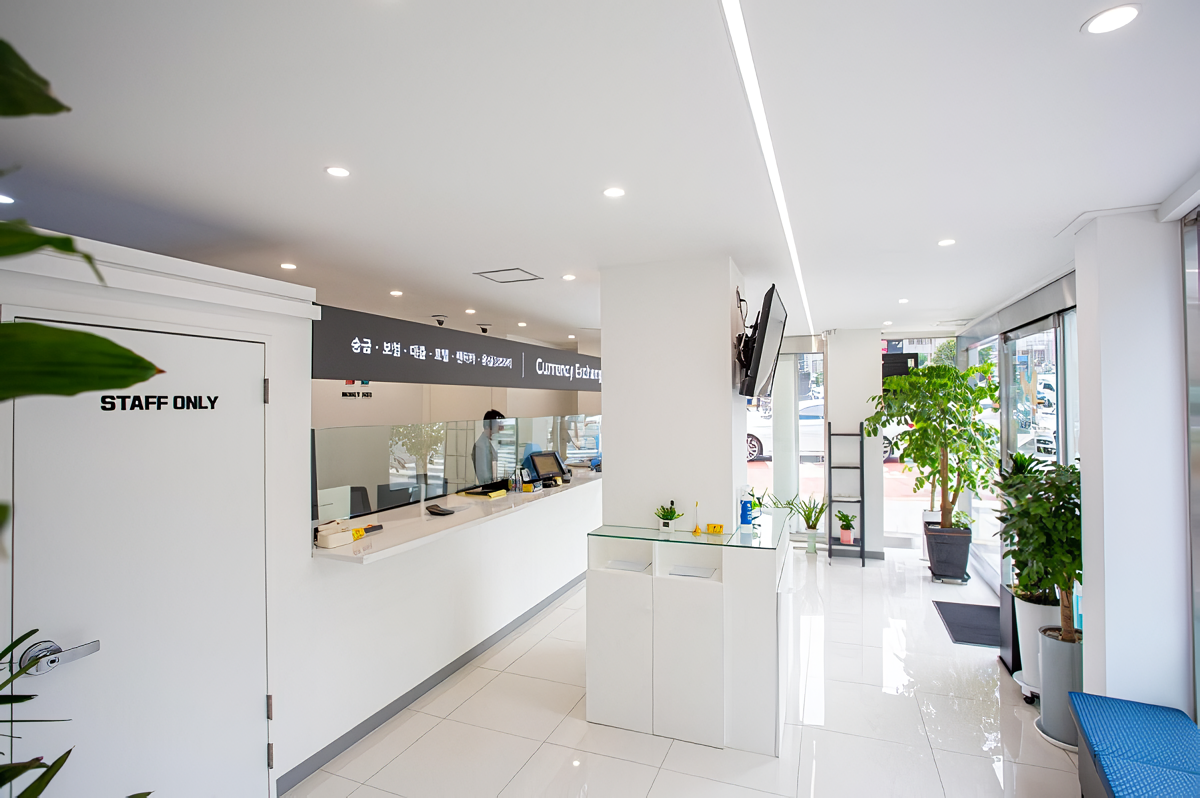
Essentials
Money in Korea
Best exchange rates, ATMs & how to pay
Read guide →Korean cuisine (hansik) is built around balance — fermented sides (banchan), a steaming bowl of rice, and a main dish that changes with the season. Meals are served all at once rather than in courses, and sharing dishes at the table is the norm. The depth of flavor comes from slow-fermented pastes like doenjang (soybean) and gochujang (chili), which form the backbone of soups, stews, and marinades across the country.
Jongno-gu is the historic heart of Seoul, containing Gyeongbokgung Palace, Bukchon Hanok Village, and Insadong's antique street. The area balances ancient and modern — traditional Korean restaurants, teahouses, and street food vendors operate alongside contemporary galleries and specialty coffee shops. Eating here feels like a connection to centuries of Seoul food culture.
This is a roomy restaurant with great food and service. They bring a pot of hot broth to your table as soon as you sit down. The naengmyun was great!
Galbijjim (braised beef ribs) and buckwheat noodle is nice, huge portions (8 racks of ribs for the smallest size). However there was no mushroom, radish or other veggies in the galbijjim, just some peppers. Not sure if thats a different style but I prefer the version with veggies to this. Not bad overall but not the best galbijjim I've had.
Korean blogger posts. Links open original posts on Naver.
Very good food and the service is very quick. They serve you beef bone broth in a tea cup with a whole pot on the table like it was hot tea. They have a few ladies on the floor constantly cleaning up as people leave making the flow of the place systematic and brisk. The galbitang that I had came with 2 sides, cabbage and radish kimchi which were really good, a bowl of rice and omg! On a cold autumn or winter day that boiling bowl of galbitang really hit the spot and warmed up my whole body. I highly recommend this place in Insadong.