Essentials
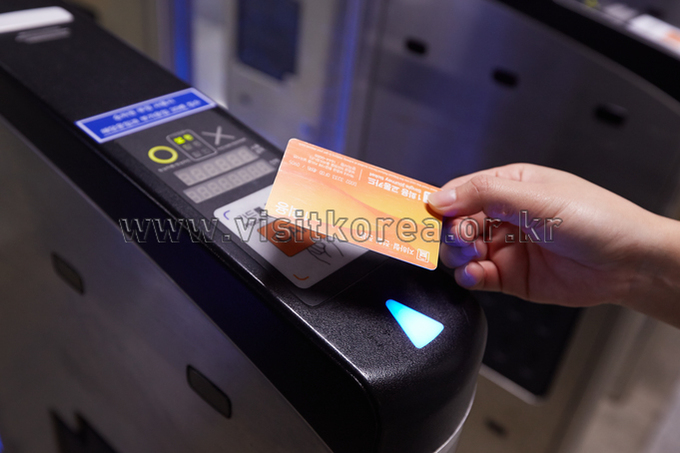
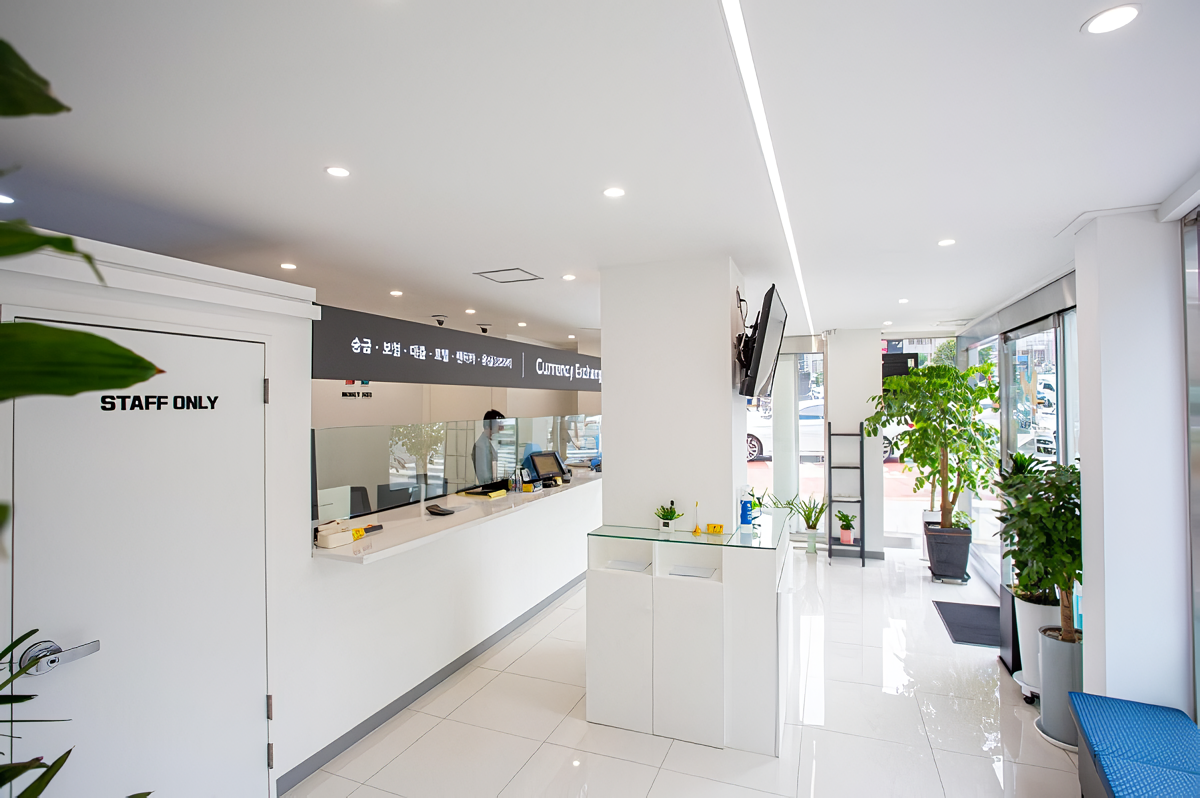
Money in Korea
Best exchange rates, ATMs & how to pay
Read guide →Korean cuisine (hansik) is built around balance — fermented sides (banchan), a steaming bowl of rice, and a main dish that changes with the season. Meals are served all at once rather than in courses, and sharing dishes at the table is the norm. The depth of flavor comes from slow-fermented pastes like doenjang (soybean) and gochujang (chili), which form the backbone of soups, stews, and marinades across the country.
Gwangjin-gu's Konkuk University area has a dense concentration of restaurants catering to students — affordable, diverse, and open late. The area is a reliable destination for budget Korean dining: tteokbokki, kimbap, and pork cutlet restaurants line the streets near the university gates.
I've been to most of the sundae soup places in this neighborhood, but this one was my first time. I went here on a friend's recommendation. I actually ordered the assorted soup with rice, which came with sundae and tripe. I had low expectations, but it was fine. It exceeded my expectations. It was the perfect assorted soup, not sundae soup. It's the perfect bowl of soup for a chilly winter.
Korean blogger posts. Links open original posts on Naver.