Essentials
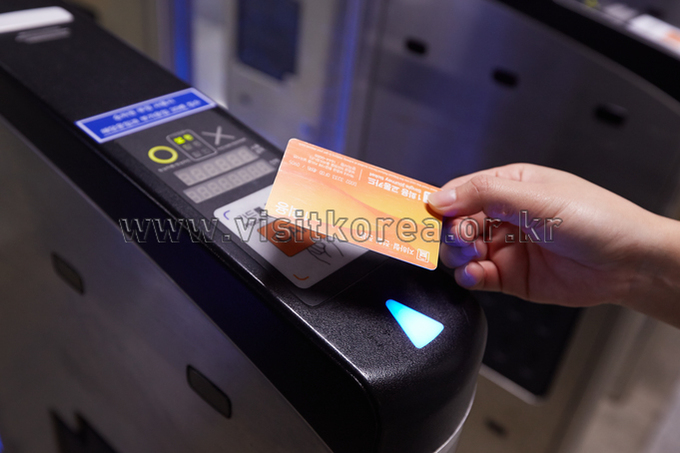
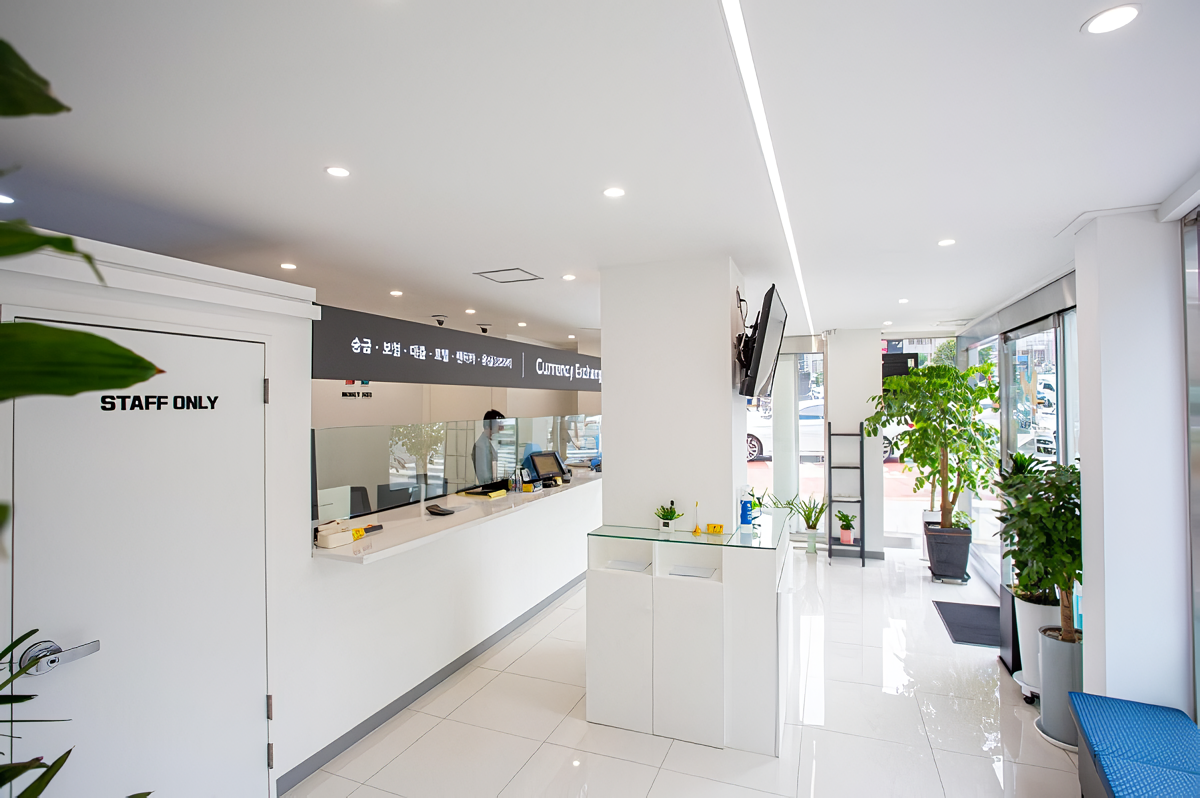
Money in Korea
Best exchange rates, ATMs & how to pay
Read guide →Korean cuisine (hansik) is built around balance — fermented sides (banchan), a steaming bowl of rice, and a main dish that changes with the season. Meals are served all at once rather than in courses, and sharing dishes at the table is the norm. The depth of flavor comes from slow-fermented pastes like doenjang (soybean) and gochujang (chili), which form the backbone of soups, stews, and marinades across the country.
Gwanak-gu's university population (Seoul National University is the dominant anchor) drives a food scene of affordable restaurants, study cafés, and late-night delivery options. The local food culture is young, budget-conscious, and diverse — students from across Korea bring their regional food preferences and the restaurant scene reflects this variety.
The air conditioning and fan worked well, and since it was hot, they fried everything and brought it to me, so I ate it cool. It's been 10 years since I went there, but the taste was the same as before, and even though it was daytime, there was an atmosphere where people could have a drink^^
It's a given that you'll be eating with people at Sundae Town. They're friendly. The food is delicious, and the atmosphere is great.
Korean blogger posts. Links open original posts on Naver.