Essentials
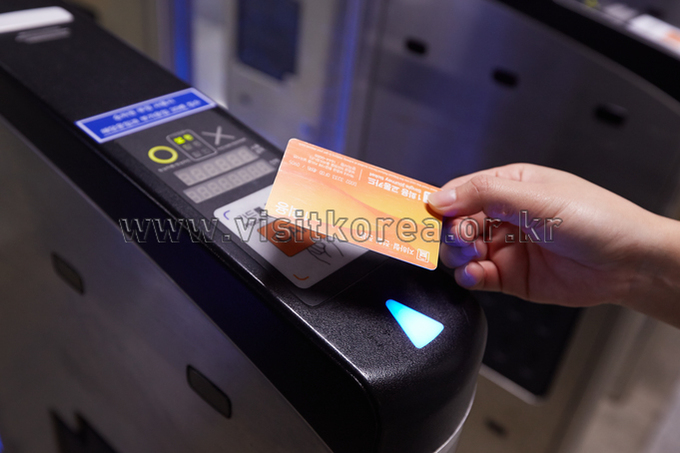
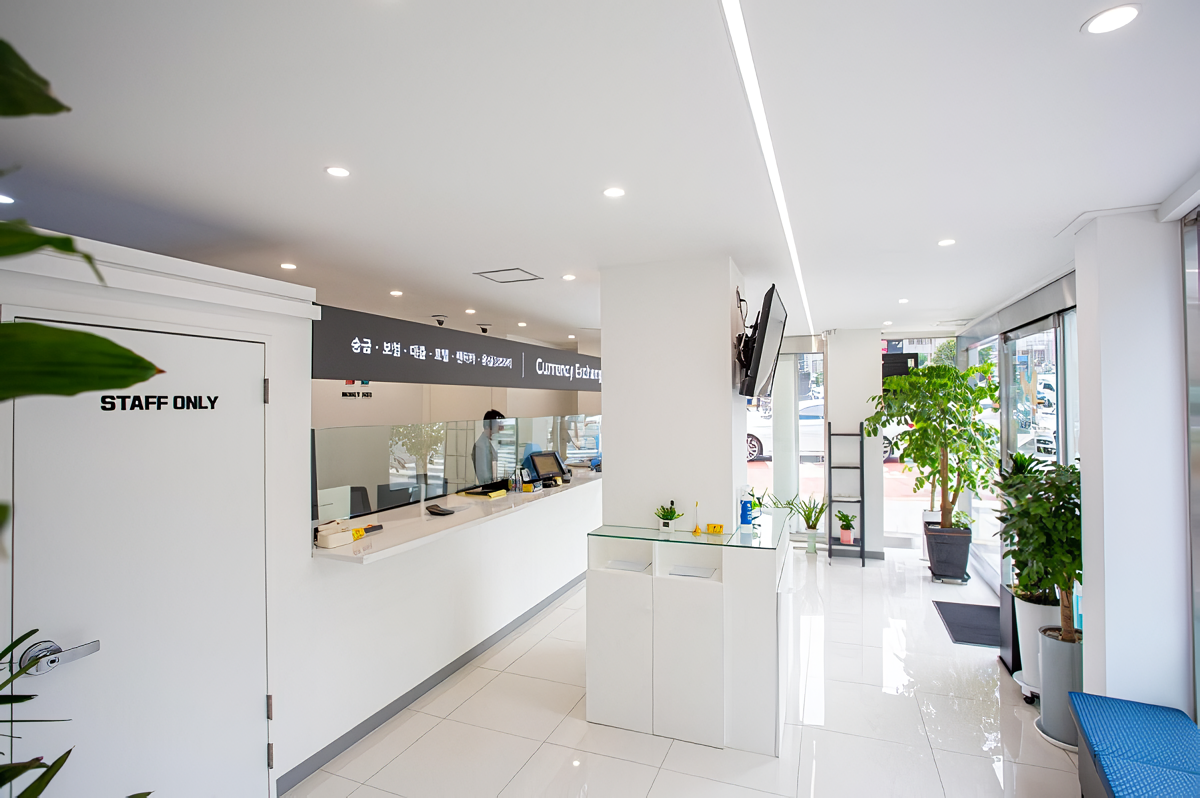
Money in Korea
Best exchange rates, ATMs & how to pay
Read guide →Korean cuisine (hansik) is built around balance — fermented sides (banchan), a steaming bowl of rice, and a main dish that changes with the season. Meals are served all at once rather than in courses, and sharing dishes at the table is the norm. The depth of flavor comes from slow-fermented pastes like doenjang (soybean) and gochujang (chili), which form the backbone of soups, stews, and marinades across the country.
Gangseo-gu in western Seoul is a rapidly developing residential and commercial district near Gimpo Airport. The area has a growing food scene with a mix of established Korean restaurant clusters and newer commercial developments bringing café chains and international options to the expanding population.
Delicious. Prices are reasonable. Lots of elderly customers.
□. A true gem in Magok Valley -. Located in an alley across from Magok Hillstate -. Size: 800 sq ft -. Seats 60 people (16 seats for 4 people) □. Signature dish: -. Sundae Gukbap: 10,000 won -. Special features: No meaty soup odor -. Ingredients: The meat and sundae are tender and made with fresh ingredients There's no meaty odor at all, so it's easy to eat It was a delicious meal -. I felt bad eating alone, so I packed two servings for the kids. ☆ A true gem in Magok
Korean blogger posts. Links open original posts on Naver.