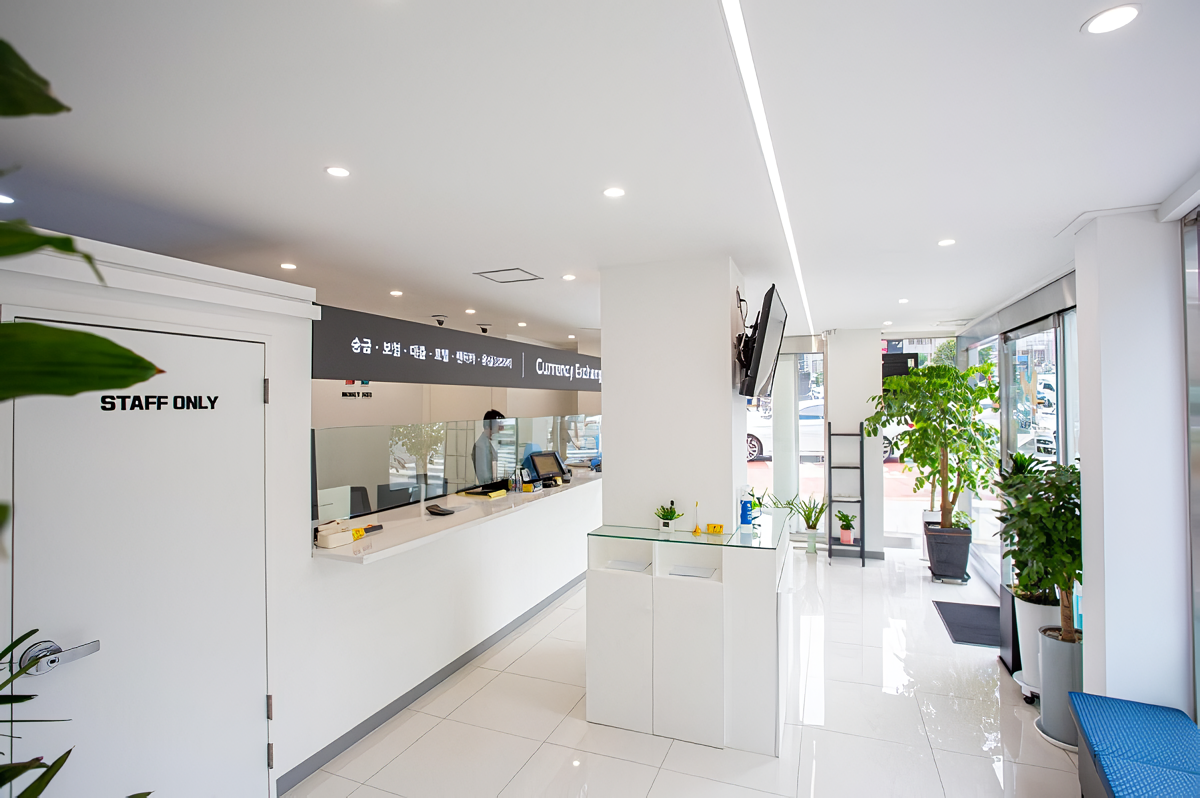
Essentials
Money in Korea
Best exchange rates, ATMs & how to pay
Read guide →Korean cuisine (hansik) is built around balance — fermented sides (banchan), a steaming bowl of rice, and a main dish that changes with the season. Meals are served all at once rather than in courses, and sharing dishes at the table is the norm. The depth of flavor comes from slow-fermented pastes like doenjang (soybean) and gochujang (chili), which form the backbone of soups, stews, and marinades across the country.
Gangnam-gu is Seoul's upscale business and entertainment district south of the Han River. Home to K-pop entertainment companies, COEX Mall, and the Apgujeong-Rodeo shopping strip, it attracts young professionals, tourists, and K-drama fans. Restaurants here tend toward the polished and premium, with a density of international cuisine, high-end Korean dining, and trendy cafés.
Great service and ventilation inside - the menu splits between Jeju black pig or just regular pig. It comes with meaty shoulder pieces along with the fat cap shoulder pieces as well. Our only disappointment was the meljutt sauce (fish sauce for dipping) that jeju style pork is known for, it was very watery and lacked a depth of flavor. We did enjoy the kimchi stew though, fermented just enough for that sour umami flavor. Banchans were solid too.
This place serves high-quality Jeju meat without cheating the scales, and I could feel the high quality of Jeju meat. The price was comparable to the Jeju black pork restaurants I'd been to in Jeju Island. The food was delicious, the side dishes were reasonably priced, and the staff was friendly. It was a completely satisfying visit, with no complaints. I would definitely return!
Korean blogger posts. Links open original posts on Naver.
Slow-cooked pork grilled over charcoal briquettes—rich in flavor and perfectly tender. The side dishes stood out, especially the soybean and kimchi soups, which were both excellent. The Korean lunchbox with grilled spam and stir-fried kimchi was also delicious. Overall, a solid 4+ stars for outstanding service and flavorful food.