Essentials
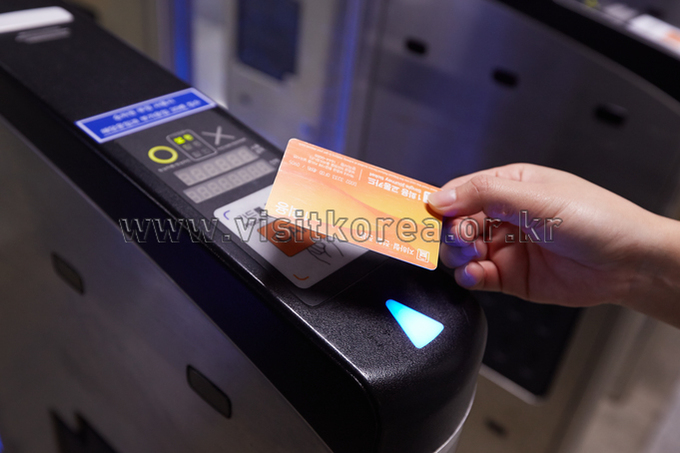
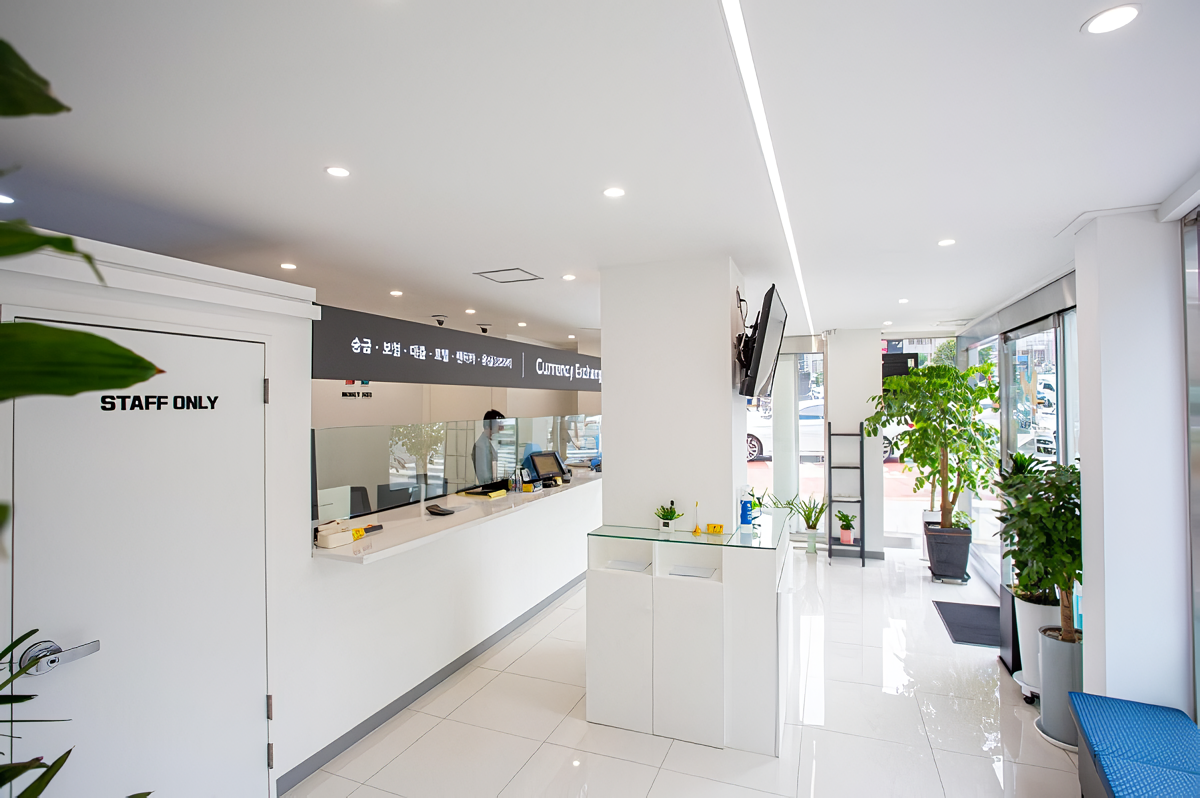
Money in Korea
Best exchange rates, ATMs & how to pay
Read guide →Korean cuisine (hansik) is built around balance — fermented sides (banchan), a steaming bowl of rice, and a main dish that changes with the season. Meals are served all at once rather than in courses, and sharing dishes at the table is the norm. The depth of flavor comes from slow-fermented pastes like doenjang (soybean) and gochujang (chili), which form the backbone of soups, stews, and marinades across the country.
Gangbuk-gu includes the scenic Bukhansan National Park foothills and is known for hiking culture and the restaurants that serve hikers before and after their climbs — hearty soups, makgeolli, and Korean pancakes have been the fuel of choice for generations of weekend walkers.
My last dinner date with my daughter. The aged meat was delicious, and they even gave me a steamed egg for free. ❤️ They kindly explained each side dish and offered more if I needed more. We ordered doenjangsulguk (soybean paste stew) as a palate cleanser. It was thick and rich, enough to fill 10 bottles of soju. It was my first time at this restaurant in the neighborhood, and I loved it. I would definitely go back.
Korean blogger posts. Links open original posts on Naver.