Essentials
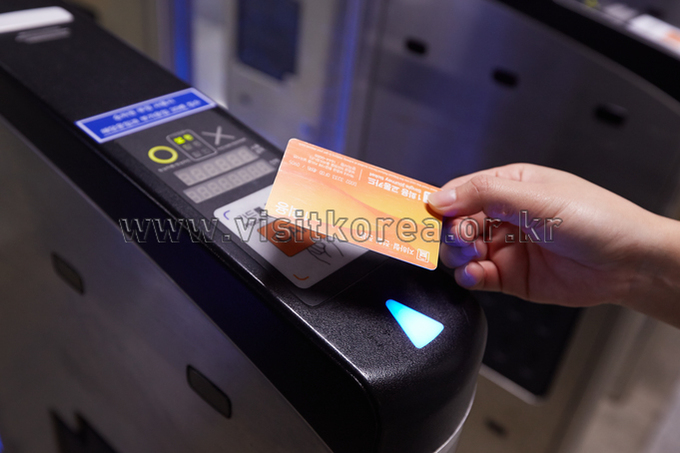
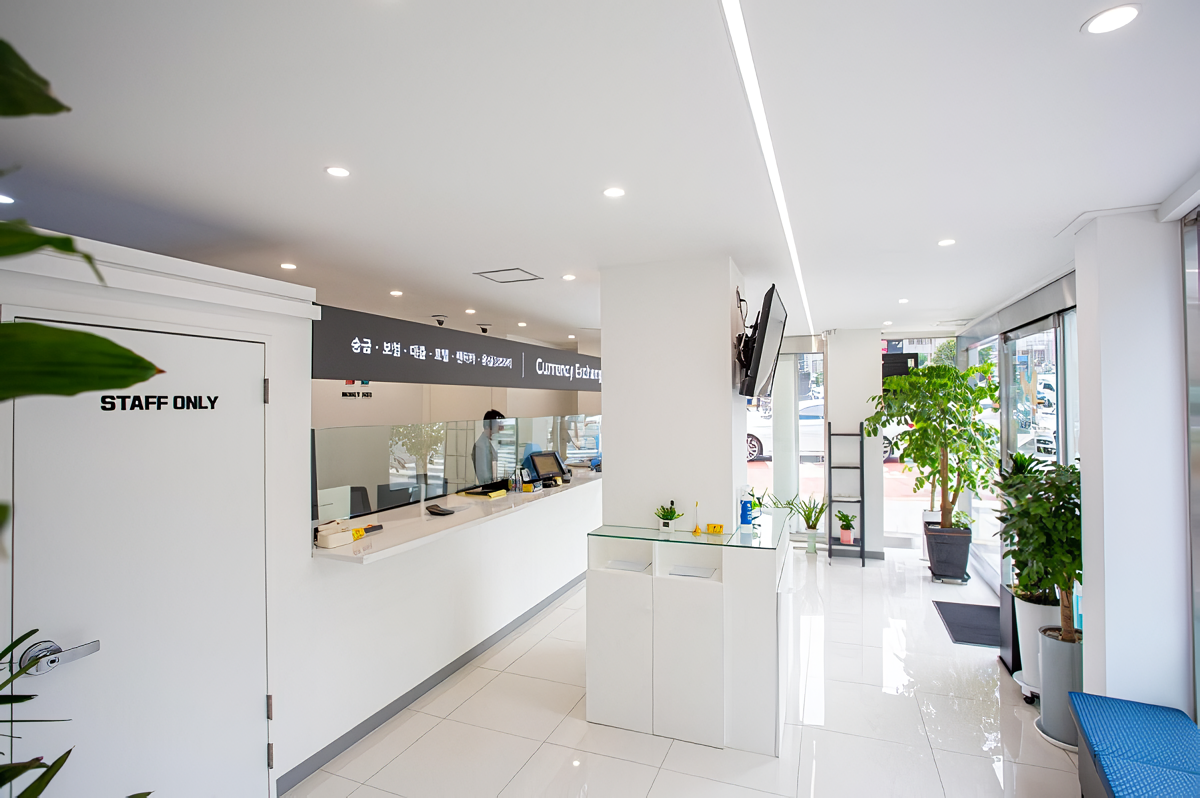
Money in Korea
Best exchange rates, ATMs & how to pay
Read guide →Korean cuisine (hansik) is built around balance — fermented sides (banchan), a steaming bowl of rice, and a main dish that changes with the season. Meals are served all at once rather than in courses, and sharing dishes at the table is the norm. The depth of flavor comes from slow-fermented pastes like doenjang (soybean) and gochujang (chili), which form the backbone of soups, stews, and marinades across the country.
Dongjak-gu spans the southern bank of the Han River, with Noryangjin Fish Market — one of Seoul's largest wholesale and retail seafood markets — as its defining food landmark. Eating fresh sashimi at the market itself, surrounded by tanks of live seafood, is a quintessential Seoul experience available around the clock.
The Ssambap is really delicious, and the prices are quite reasonable. I plan to visit again next time.
It has that kind of neighborhood vibe—old and a bit worn out, but with delicious food. The pork is thick but tender. There isn't anything special about the side dishes, though. The cold noodles are decent, and the soju goes down well. The portion of the raw beef is a bit small. The taste is just so-so.