Essentials
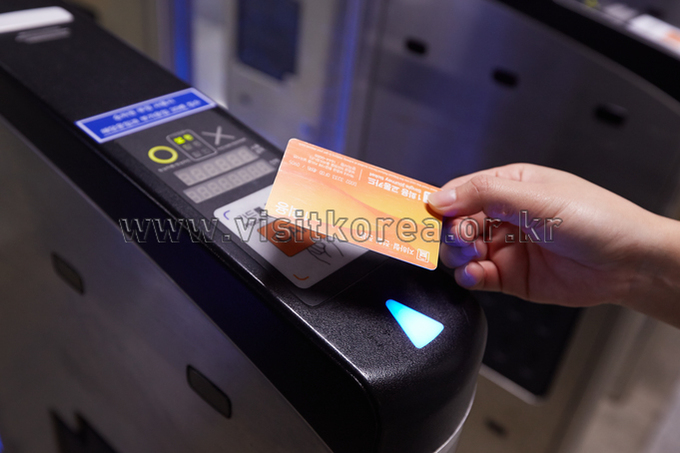
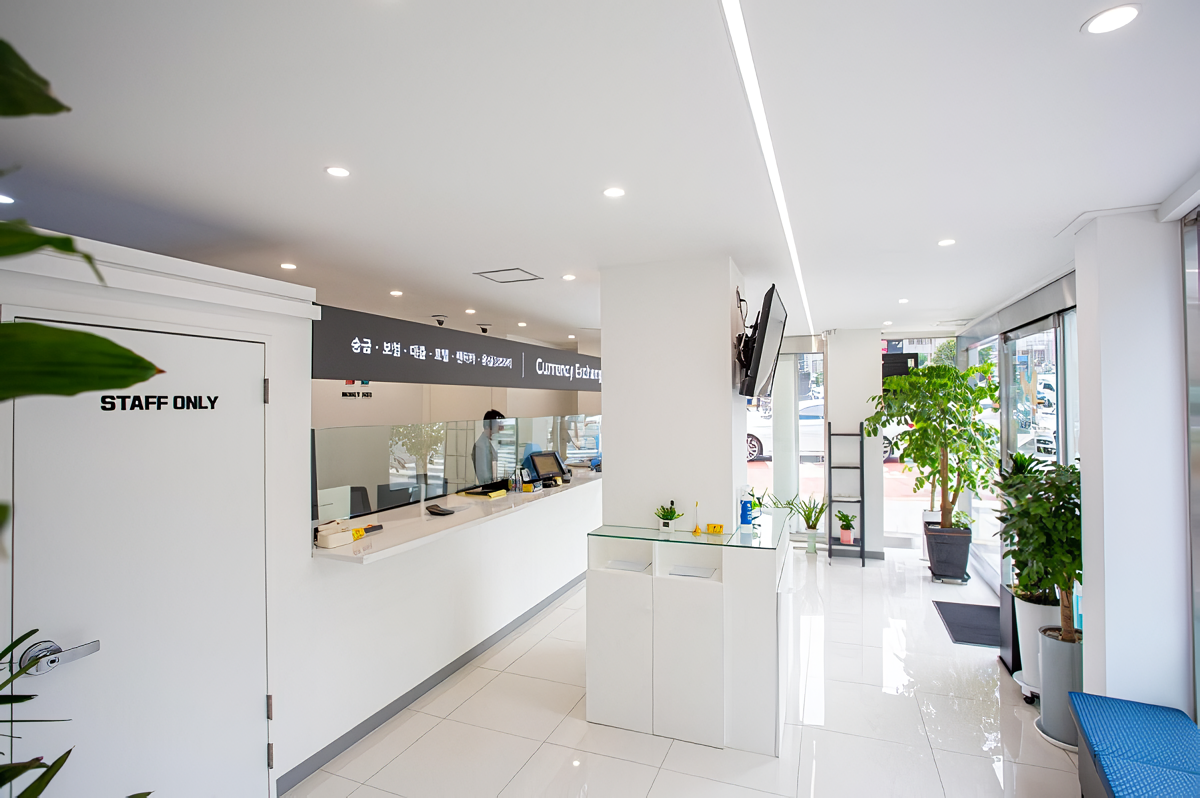
Money in Korea
Best exchange rates, ATMs & how to pay
Read guide →Korean cuisine (hansik) is built around balance — fermented sides (banchan), a steaming bowl of rice, and a main dish that changes with the season. Meals are served all at once rather than in courses, and sharing dishes at the table is the norm. The depth of flavor comes from slow-fermented pastes like doenjang (soybean) and gochujang (chili), which form the backbone of soups, stews, and marinades across the country.
Dongjak-gu spans the southern bank of the Han River, with Noryangjin Fish Market — one of Seoul's largest wholesale and retail seafood markets — as its defining food landmark. Eating fresh sashimi at the market itself, surrounded by tanks of live seafood, is a quintessential Seoul experience available around the clock.
1. The actual portion size is smaller than it appears. 2. It seems like a social gathering place for seniors. 3. Seniors drink a lot during the day. 4. The unlimited refills of green onion kimchi were nice. 5. The staff were friendly.
I ordered the duck charcoal-grilled and it was delicious and the staff was friendly.
Too much noise during dinner. We wanted to have roasted rice after barbecue (as included in the menu) and they tried to avoid it. It was also difficult to ask things to waitresses.