Essentials
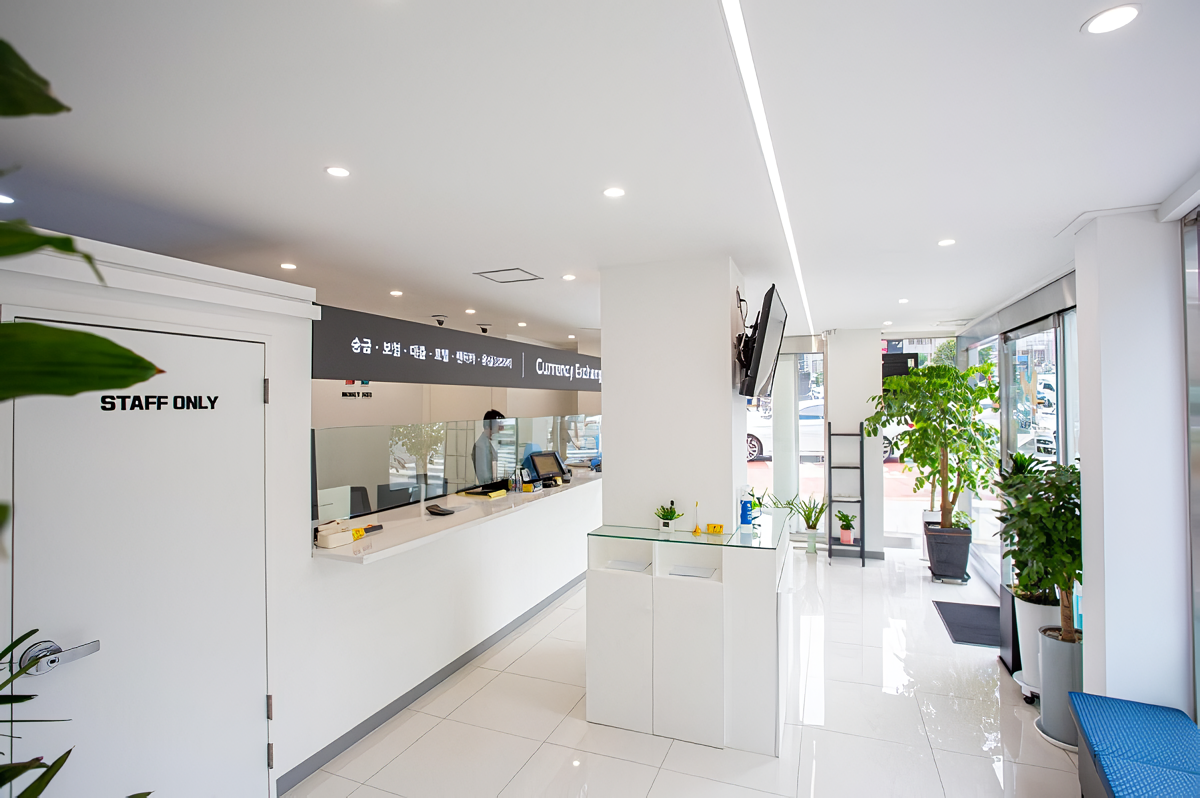
Money in Korea
Best exchange rates, ATMs & how to pay
Read guide →Korean cuisine (hansik) is built around balance — fermented sides (banchan), a steaming bowl of rice, and a main dish that changes with the season. Meals are served all at once rather than in courses, and sharing dishes at the table is the norm. The depth of flavor comes from slow-fermented pastes like doenjang (soybean) and gochujang (chili), which form the backbone of soups, stews, and marinades across the country.
Dongjak-gu spans the southern bank of the Han River, with Noryangjin Fish Market — one of Seoul's largest wholesale and retail seafood markets — as its defining food landmark. Eating fresh sashimi at the market itself, surrounded by tanks of live seafood, is a quintessential Seoul experience available around the clock.
I'm a big fan of Korean food, but I'm a big fan of Korean food. I love Korean food! This lamb skewer specialty restaurant is a little pricey, but it has the feel of a local lamb skewer restaurant, so I recommend visiting if you're looking for a local experience. A place where you can easily come with friends! The prices at a lamb skewer specialty store are a bit high, but it feels like a local lamb skewer, so if you want a local feel, I recommend visiting. A place where you can easily come with friends!