Essentials
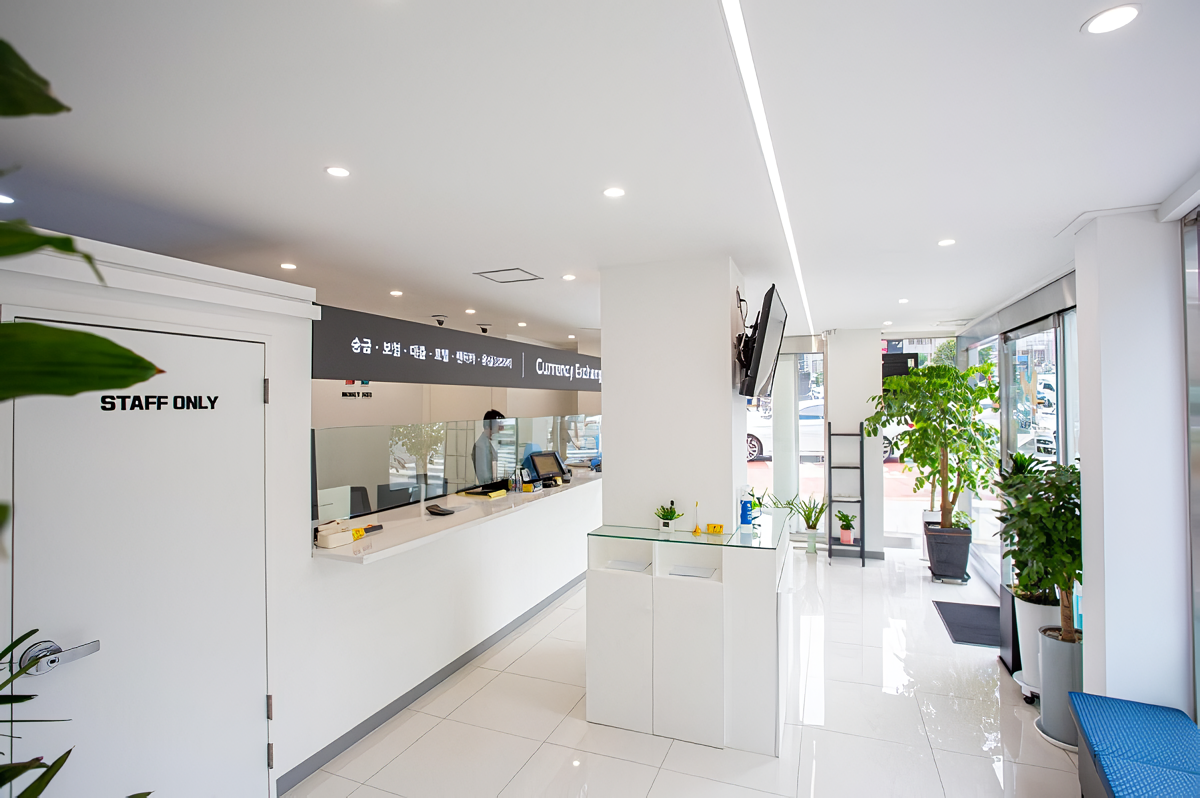
Money in Korea
Best exchange rates, ATMs & how to pay
Read guide →Korean cuisine (hansik) is built around balance — fermented sides (banchan), a steaming bowl of rice, and a main dish that changes with the season. Meals are served all at once rather than in courses, and sharing dishes at the table is the norm. The depth of flavor comes from slow-fermented pastes like doenjang (soybean) and gochujang (chili), which form the backbone of soups, stews, and marinades across the country.
Dongdaemun-gu is a 24-hour neighbourhood defined by its massive fashion markets, which draw wholesale buyers and night shoppers around the clock. The food scene is fast, cheap, and designed for people who eat at unconventional hours — naengmyeon restaurants that open at midnight, pojangmacha that come alive at 3am, and kalguksu shops that have served the same recipe for fifty years.
Visit: Thursday, 7:40 PM Party: 2 Waiting: None Menu: Janchi-guksu (Feast Noodles), Dried Squid Gimbap I visited for dinner after a light workout, and since there was only one other group of customers, I was able to sit down comfortably. After ordering and paying (prepaid), I didn't have to wait long for the food to arrive. Side dishes are self-serve. Although I have been coming here since I was very young, I wonder if the owner has changed, as it didn't taste quite the same as back then. They didn't even have the spicy fish cake gimbap that I used to like. ^^ It wasn't quite the taste I remembered, but I had a simple and delicious meal. Thanks for the meal~
Korean blogger posts. Links open original posts on Naver.
In the past, the male owner wasn't very friendly, but he was quick with his hands and made good kimbap. But these days, the short woman wearing a mask and hat isn't friendly and doesn't make good kimbap. Her tone is also irritating, so I don't want to go there.