Essentials
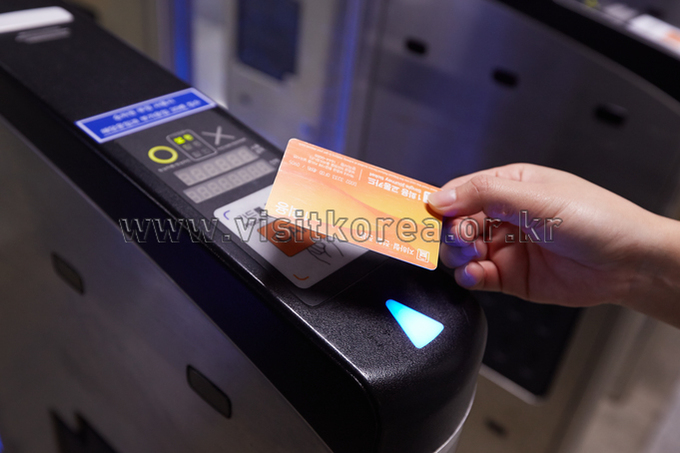
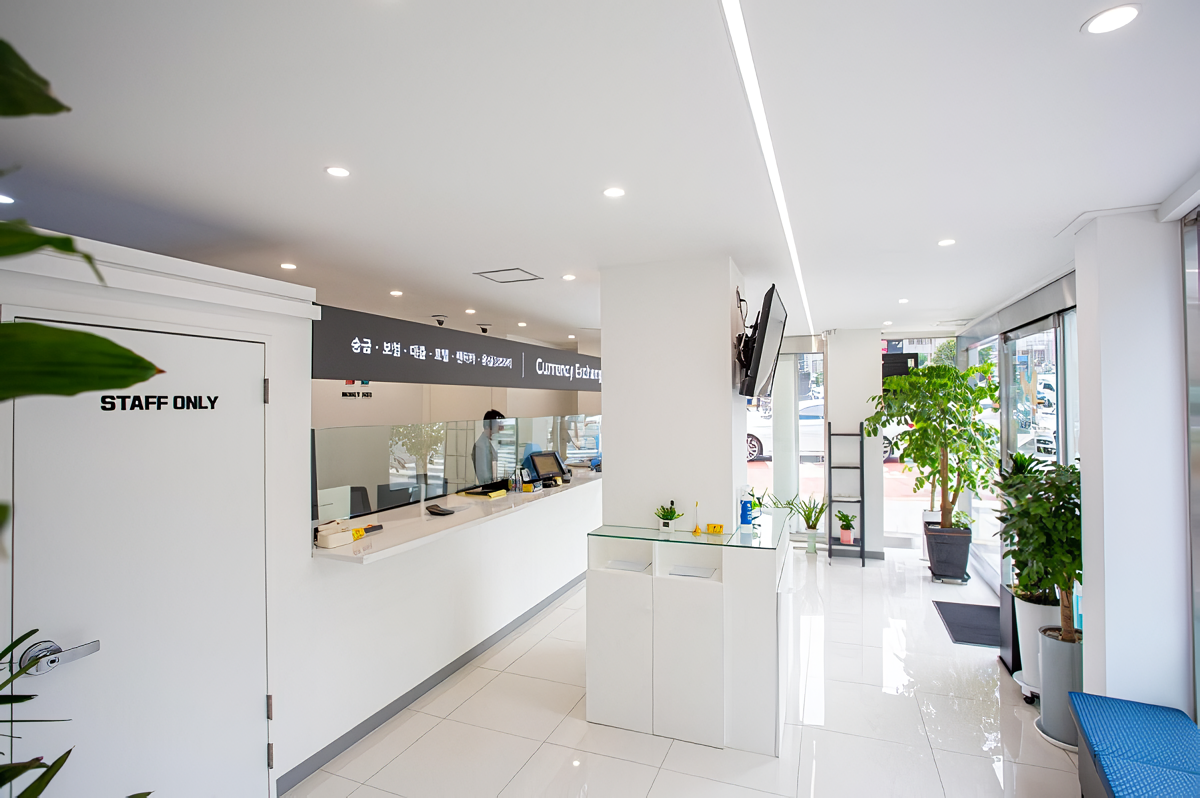
Money in Korea
Best exchange rates, ATMs & how to pay
Read guide →Korean cuisine (hansik) is built around balance — fermented sides (banchan), a steaming bowl of rice, and a main dish that changes with the season. Meals are served all at once rather than in courses, and sharing dishes at the table is the norm. The depth of flavor comes from slow-fermented pastes like doenjang (soybean) and gochujang (chili), which form the backbone of soups, stews, and marinades across the country.
Dobong-gu in northern Seoul is a predominantly residential district adjacent to Dobongsan Mountain. The local food scene centres on community restaurants and street food vendors rather than tourist-facing establishments, offering an authentic view of how Seoul residents actually eat on a daily basis.
The portions were just right, the seasoning was just right, the side dishes were delicious, and the tripe was delicious. I'd definitely go back. The restaurant is small, with only a few tables, but we went when it wasn't busy and had a relaxing meal. I went with my mom, and she, who is picky, loved it.
Korean blogger posts. Links open original posts on Naver.