Essentials
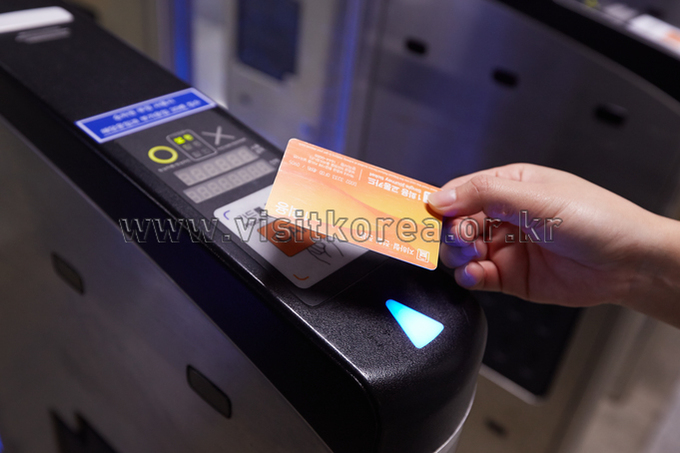
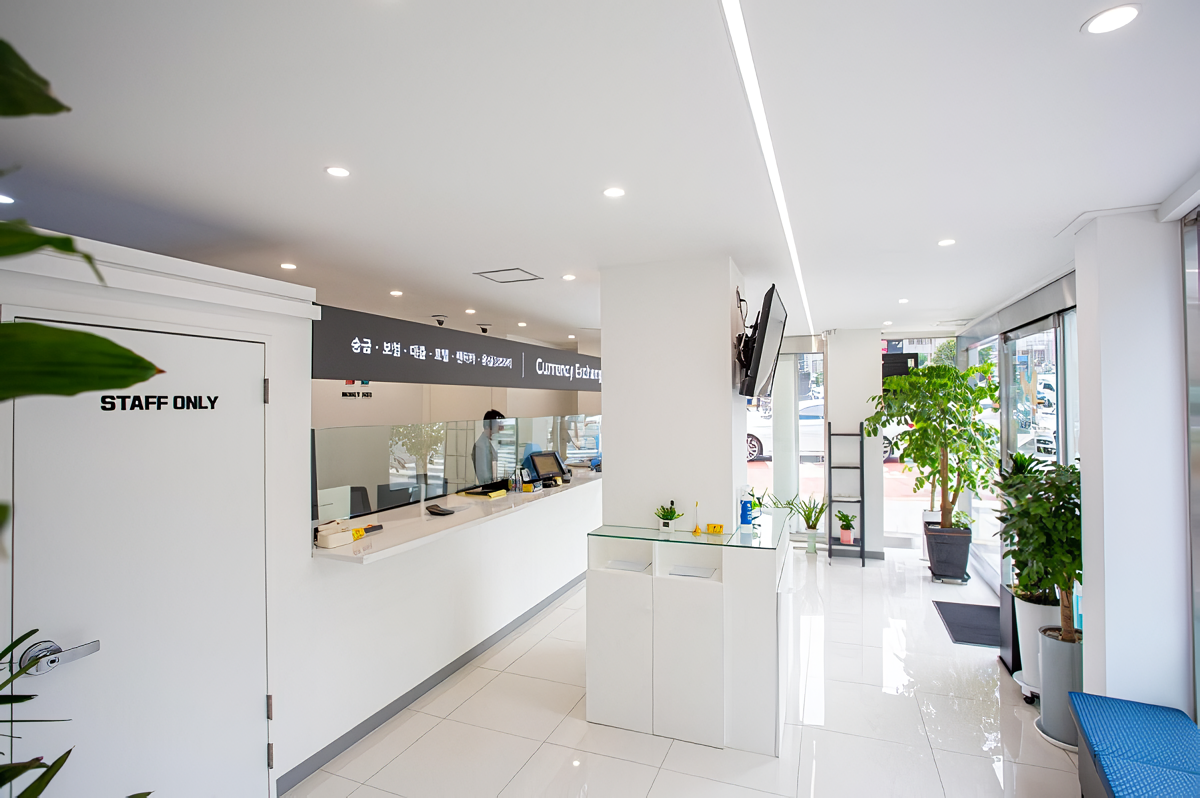
Money in Korea
Best exchange rates, ATMs & how to pay
Read guide →Korean cuisine (hansik) is built around balance — fermented sides (banchan), a steaming bowl of rice, and a main dish that changes with the season. Meals are served all at once rather than in courses, and sharing dishes at the table is the norm. The depth of flavor comes from slow-fermented pastes like doenjang (soybean) and gochujang (chili), which form the backbone of soups, stews, and marinades across the country.
Gwangjin-gu's Konkuk University area has a dense concentration of restaurants catering to students — affordable, diverse, and open late. The area is a reliable destination for budget Korean dining: tteokbokki, kimbap, and pork cutlet restaurants line the streets near the university gates.
Love the 닭갈비 here. I always order the cheese one
This is a restaurant where you can eat Dakgalbi by yourself. I'm Japanese, but it wasn't too spicy. The staff seemed to be used to dealing with foreigners, so I was able to order and eat very smoothly. It was delicious!
Korean blogger posts. Links open original posts on Naver.
Located at the entrance of Konkuk University Station's food alley, it's always crowded. The dakgalbi is so-so...above average.