Essentials
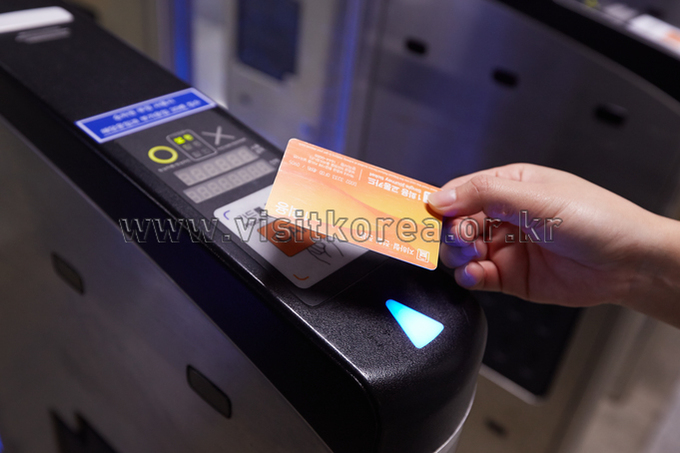
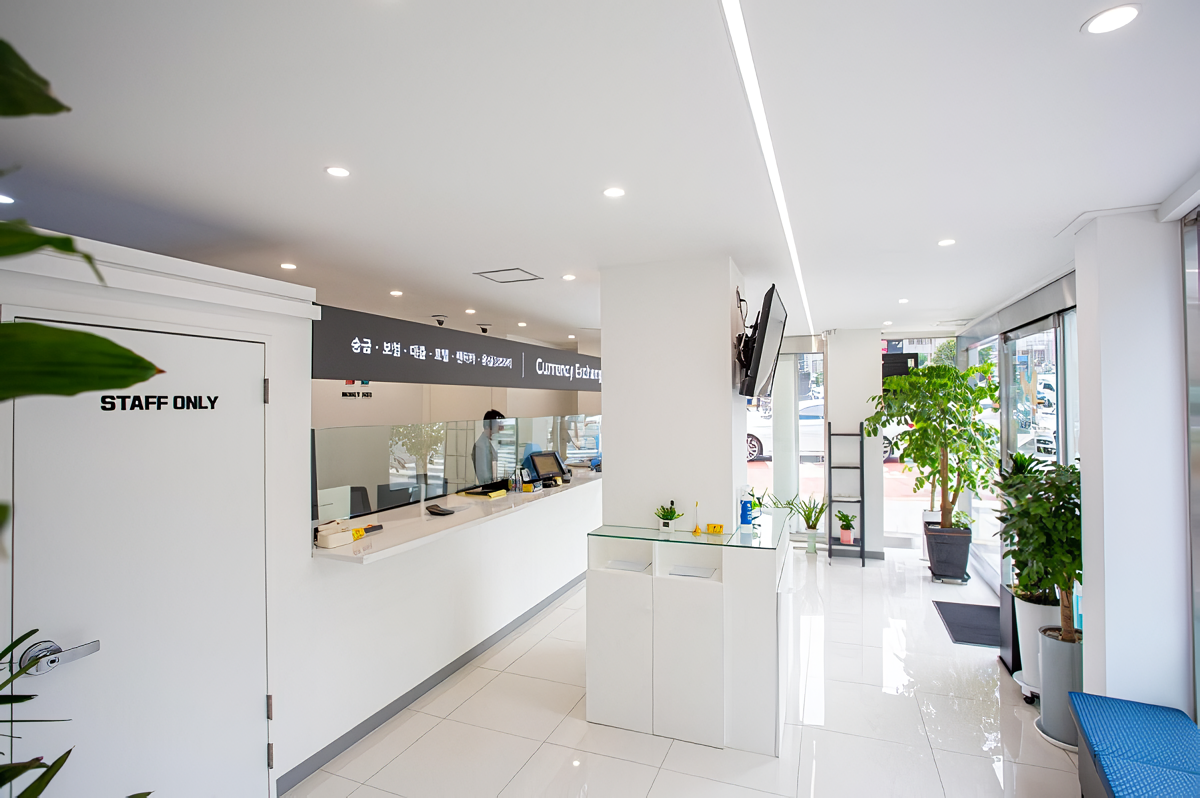
Money in Korea
Best exchange rates, ATMs & how to pay
Read guide →Korean cuisine (hansik) is built around balance — fermented sides (banchan), a steaming bowl of rice, and a main dish that changes with the season. Meals are served all at once rather than in courses, and sharing dishes at the table is the norm. The depth of flavor comes from slow-fermented pastes like doenjang (soybean) and gochujang (chili), which form the backbone of soups, stews, and marinades across the country.
Seodaemun-gu houses Sinchon and Ewha — university neighborhoods known for affordable food, vibrant nightlife, and a youthful dining culture. The area is dense with budget-friendly Korean restaurants, late-night delivery options, and cafés that stay open until the early hours. It's a neighbourhood where eating well on a student budget is entirely achievable.
I happened to stop by this place after trekking along Ansan Jarakgil. Their focus on hygiene gave me a sense of trust. The ganjjajang wasn't overly spicy, but it was perfectly seasoned and delicious. It's been a while since I've had a proper ganjjajang.
Recommended Menu Items: Ganjjajang, Mapo Rice The Ganjjajang has a rich, oily flavor, which is delicious. The Mapo Rice is a bit spicy, closer to authentic Chinese food, but still delicious. These two dishes are ⭐⭐⭐⭐ If you order rice, they serve egg soup, which is delicious. The Jjamppong is not so great. However, when there are a lot of people, the food takes a long time to come out. (This is fatal, reservations are essential.)
Korean blogger posts. Links open original posts on Naver.