Essentials
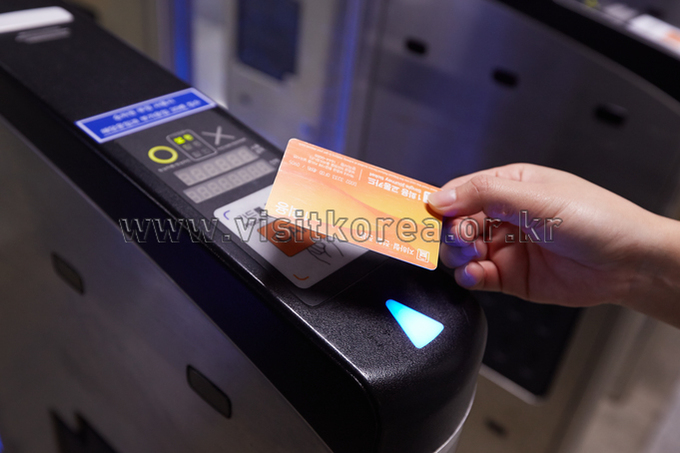
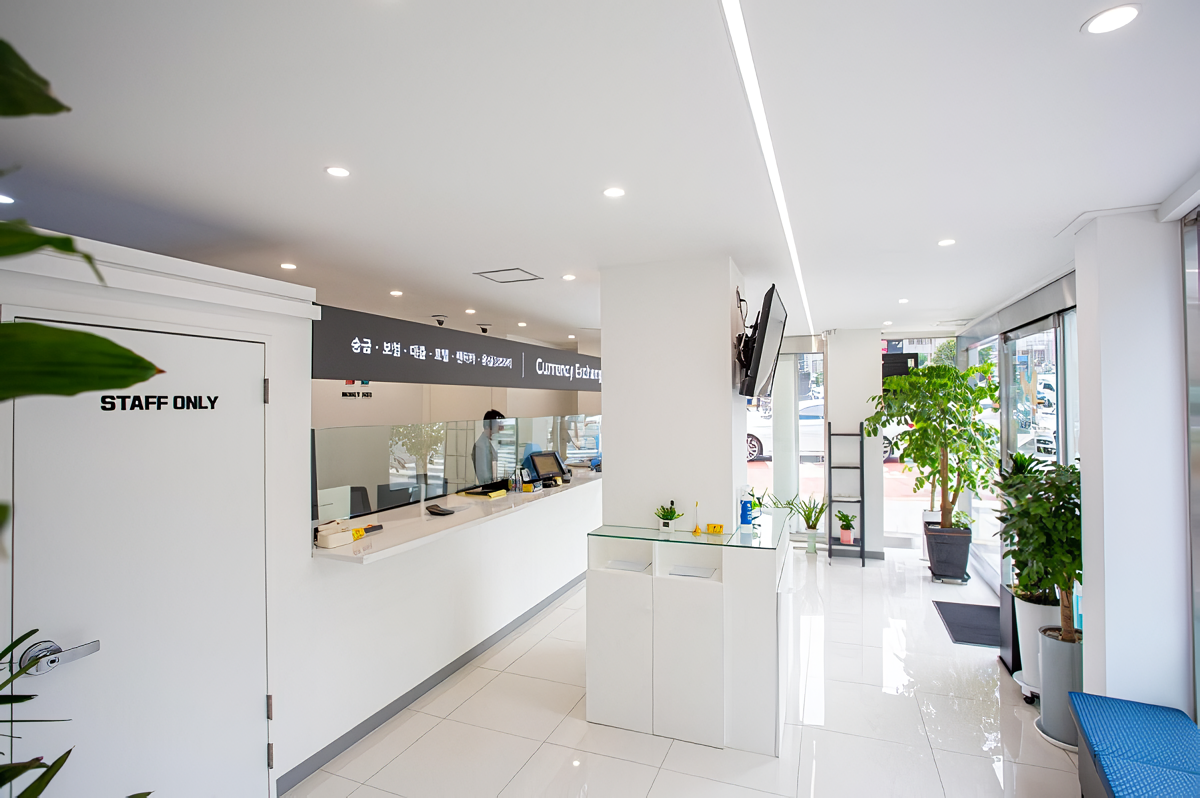
Money in Korea
Best exchange rates, ATMs & how to pay
Read guide →Korean cuisine (hansik) is built around balance — fermented sides (banchan), a steaming bowl of rice, and a main dish that changes with the season. Meals are served all at once rather than in courses, and sharing dishes at the table is the norm. The depth of flavor comes from slow-fermented pastes like doenjang (soybean) and gochujang (chili), which form the backbone of soups, stews, and marinades across the country.
Yongsan-gu contains Itaewon — Seoul's most international neighbourhood — as well as the scenic Hannam district and Yongsan Electronics Market. Itaewon's food scene reflects its global community: Indian, Middle Eastern, African, and American restaurants share streets with high-end Korean and Japanese establishments. It's also where many of Seoul's foreign chefs have set up their most ambitious projects.
Wonderful. Maesaengi gul gukbap was like a warm taste of sea. Perfect for a chilly day. Super friendly, unpretentious and fast, yet very homely. Added bonus: both Gul gukbap options are gluten free.
It was near the hotel where I was staying, so I went there for lunch. I went alone, but it was fine even if I was alone. It's close to the tourist area, but there were many locals there too. I ordered seafood sundubu jjigae and a beer. The lady at the restaurant was very friendly and made me feel at ease. The food looked and tasted great.
Found this place when I was googling about Itaewon Class film site. It has a lot of positive review and so went to have dinner there on 01 Nov 2024. Ordered the oyster hot pot rice and it was really tasty. There were about 9–10 oysters inside and the meal cost only KRW 11,000.