Essentials
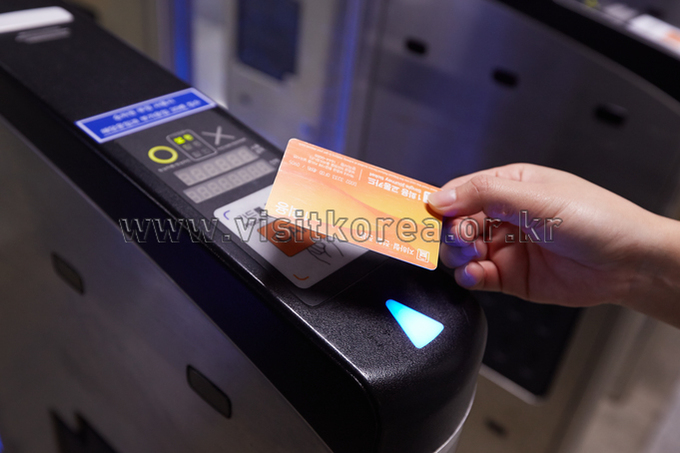
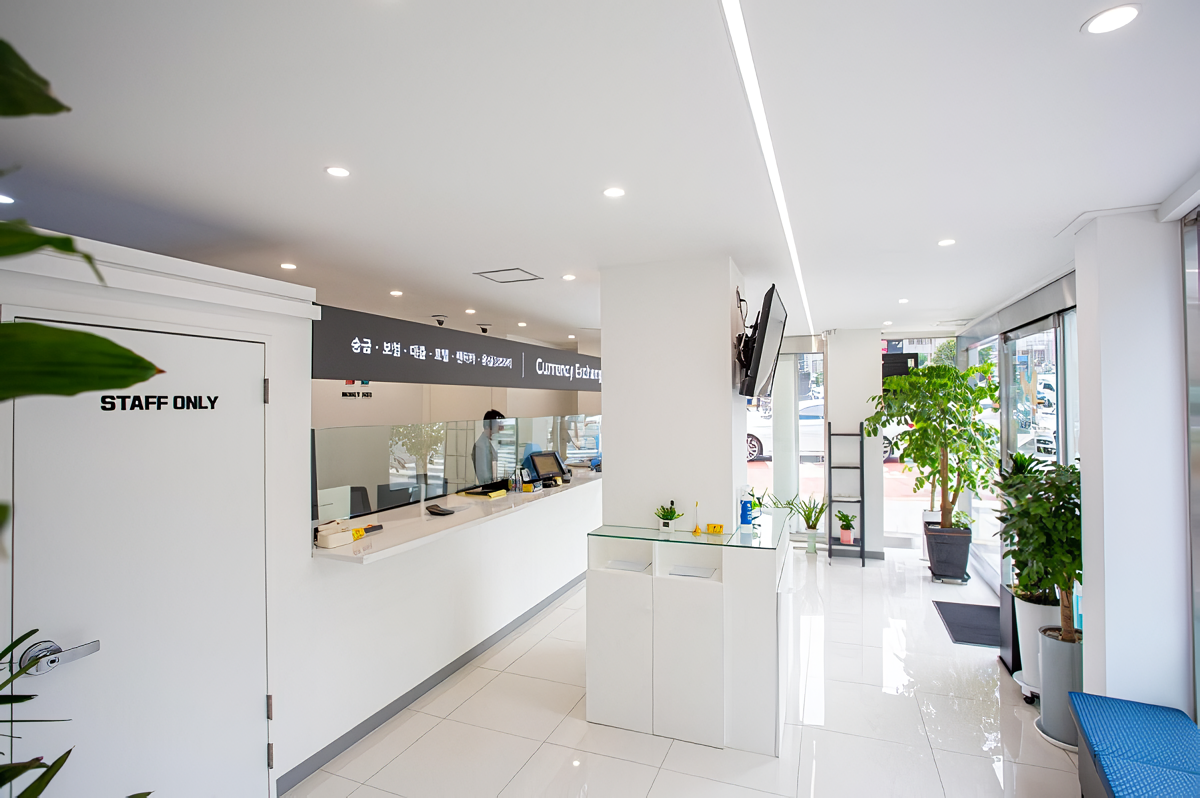
Money in Korea
Best exchange rates, ATMs & how to pay
Read guide →Korean cuisine (hansik) is built around balance — fermented sides (banchan), a steaming bowl of rice, and a main dish that changes with the season. Meals are served all at once rather than in courses, and sharing dishes at the table is the norm. The depth of flavor comes from slow-fermented pastes like doenjang (soybean) and gochujang (chili), which form the backbone of soups, stews, and marinades across the country.
Yeongdeungpo-gu's Times Square mall and Yeouido financial district generate a diverse food scene of department store restaurants, business lunch spots, and the Han River cycling culture that has made outdoor food and coffee culture a fixture of the waterfront.
All of the banchan dishes, made entirely with vegetables and no meat, were gently seasoned. The sundubu jjigae also contained tofu and soybeans similar to natto. Personally, I liked the bowls containing the vegetable and tofu salad and mushroom dish the best. I was full, but I didn't want to leave any of the food, so I managed to eat everything except the last bowl of porridge. I'd like to visit this restaurant again someday.
My wife and I just ate there for lunch. Even though we didn’t speak much Korean, the host spent a lot of time with us explaining the dishes and walking us through how to build the perfect bowl of bibimbop. We had more different banchan dishes with this meal than any we’ve had since coming to Korea three weeks ago, and every one was delicious and showed a lot of attention to detail (the owner said his wife spends five hours preparing banchan every morning). So good- we highly recommend this to anyone wanting authentic, healthy Korean food.
Korean blogger posts. Links open original posts on Naver.