Essentials
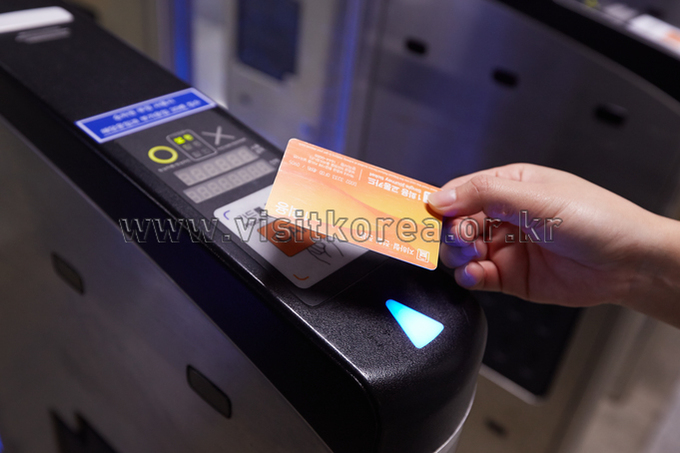
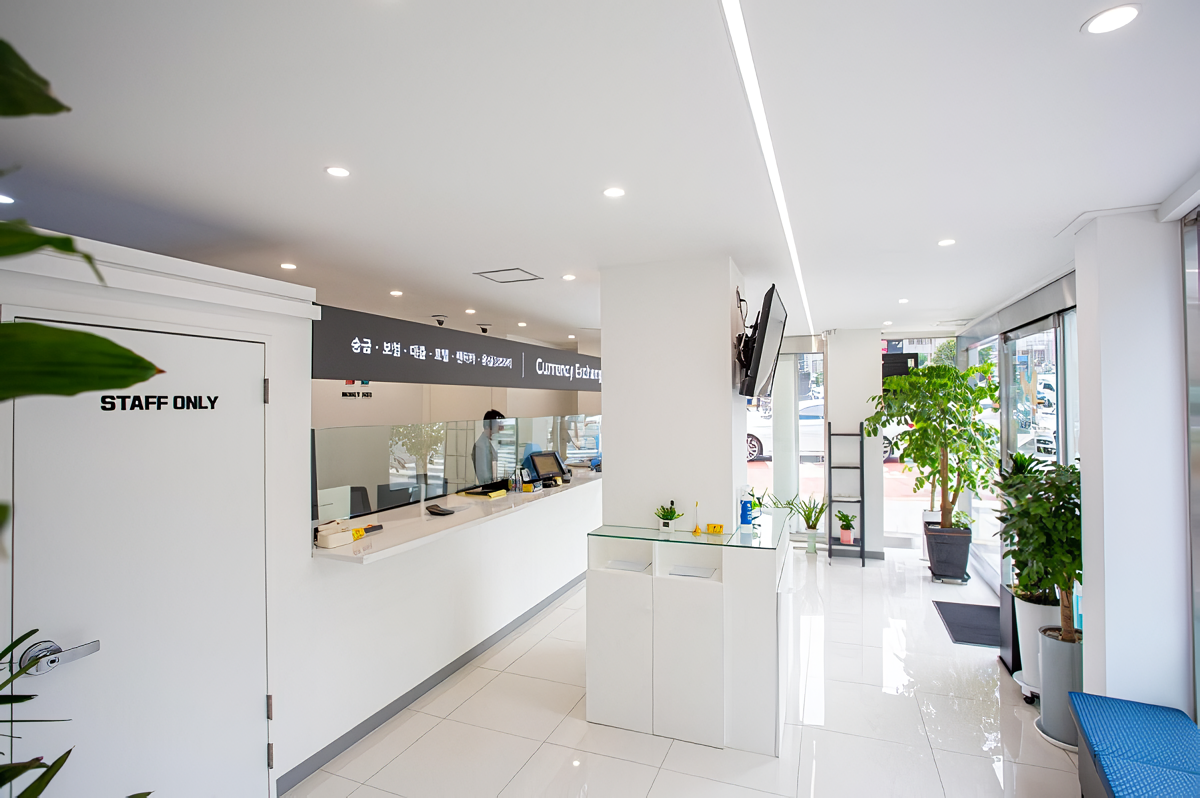
Money in Korea
Best exchange rates, ATMs & how to pay
Read guide →Korean cuisine (hansik) is built around balance — fermented sides (banchan), a steaming bowl of rice, and a main dish that changes with the season. Meals are served all at once rather than in courses, and sharing dishes at the table is the norm. The depth of flavor comes from slow-fermented pastes like doenjang (soybean) and gochujang (chili), which form the backbone of soups, stews, and marinades across the country.
Seodaemun-gu houses Sinchon and Ewha — university neighborhoods known for affordable food, vibrant nightlife, and a youthful dining culture. The area is dense with budget-friendly Korean restaurants, late-night delivery options, and cafés that stay open until the early hours. It's a neighbourhood where eating well on a student budget is entirely achievable.
This is the first health-focused restaurant I’ve come across in South Korea where the quality of the food is truly outstanding. The taste is excellent, and the owner is very friendly and lovely. I ordered the abalone porridge with truffle — it was incredibly fragrant and delicious. The portion was quite generous, yet I finished the whole bowl. Another dish I tried was the seafood soup. It wasn’t very spicy for a Thai person like me, but the flavor was amazing and the ingredients were very fresh. I already want to come back and eat it again.
Korean blogger posts. Links open original posts on Naver.
Delicious and very satisfying for a Thai person. The abalone congee with mushrooms and a very fragrant topping. And there was another dish, I don't know the name, but it was like a medium-spicy seafood tom yum, and it was delicious. And the canned pumpkin juice was my first time trying it, and it was very tasty.
Please take note side dish have beef for non beef diner. I truly enjoyed my abalone porridge very much! So wonderful to have porridge on a cold day!