Essentials
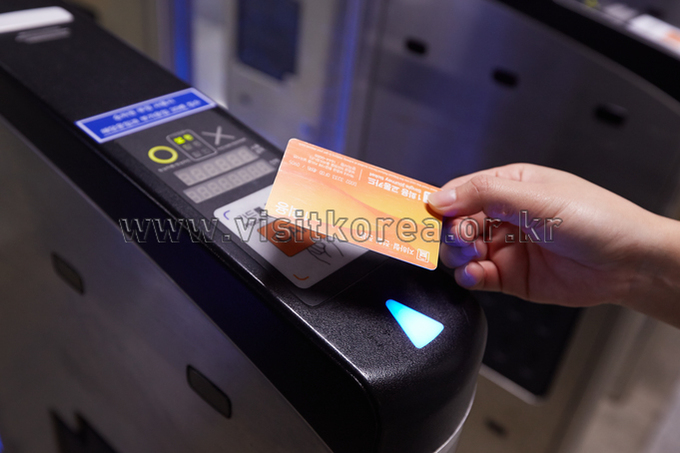
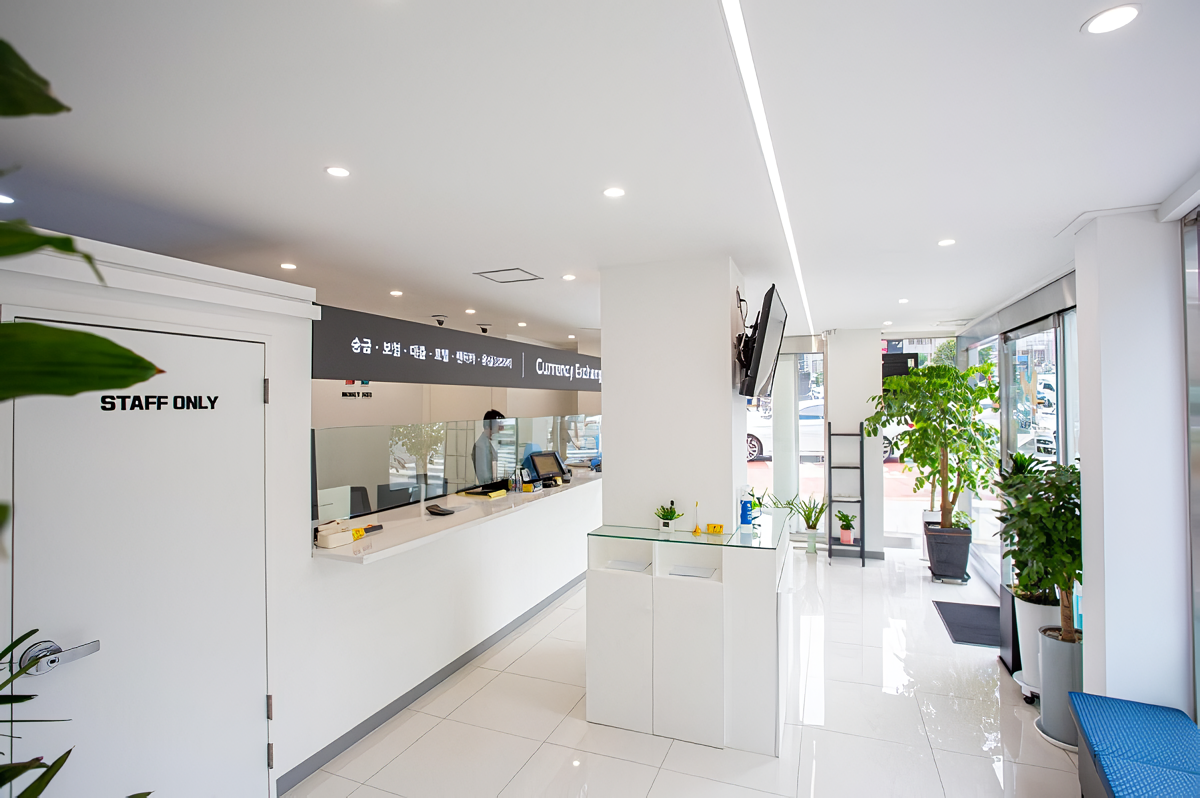
Money in Korea
Best exchange rates, ATMs & how to pay
Read guide →Korean cuisine (hansik) is built around balance — fermented sides (banchan), a steaming bowl of rice, and a main dish that changes with the season. Meals are served all at once rather than in courses, and sharing dishes at the table is the norm. The depth of flavor comes from slow-fermented pastes like doenjang (soybean) and gochujang (chili), which form the backbone of soups, stews, and marinades across the country.
Seocho-gu — home to Seoul's arts corridor, the Supreme Court, and upscale residential areas — has a refined dining culture to match its address. Garosugil in Seocho is particularly known for its café-lined tree canopy street. Restaurants here tend toward the polished and premium, often with outdoor terraces and wine lists to match.
Odaesan Wild Vegetable Specialty Store, located in Yangjae, has parking for 3-5 cars in front, but it's on a slope, so be careful. I tried the single-course stone pot bibimbap during lunch. The stone pot bibimbap had just the right amount of scorched rice and even had an egg yolk, so it was visually appealing and delicious. The interior was decorated with autographs and photos of celebrities, and the local atmosphere is similar to that of a typical Korean restaurant. However, the staff's noise was a bit loud during the meal, which was a bit of a nuisance. I hope they will improve this aspect, as their voices are louder than the customers'. I haven't tried the mountain vegetable set menu, so it was fine to go for the stone pot bibimbap.