Essentials
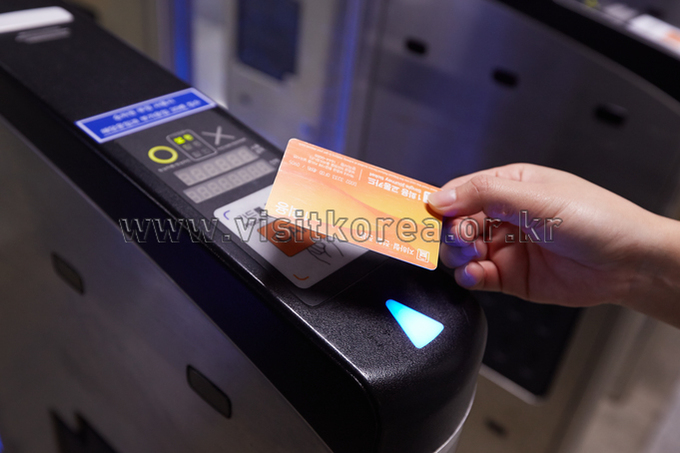
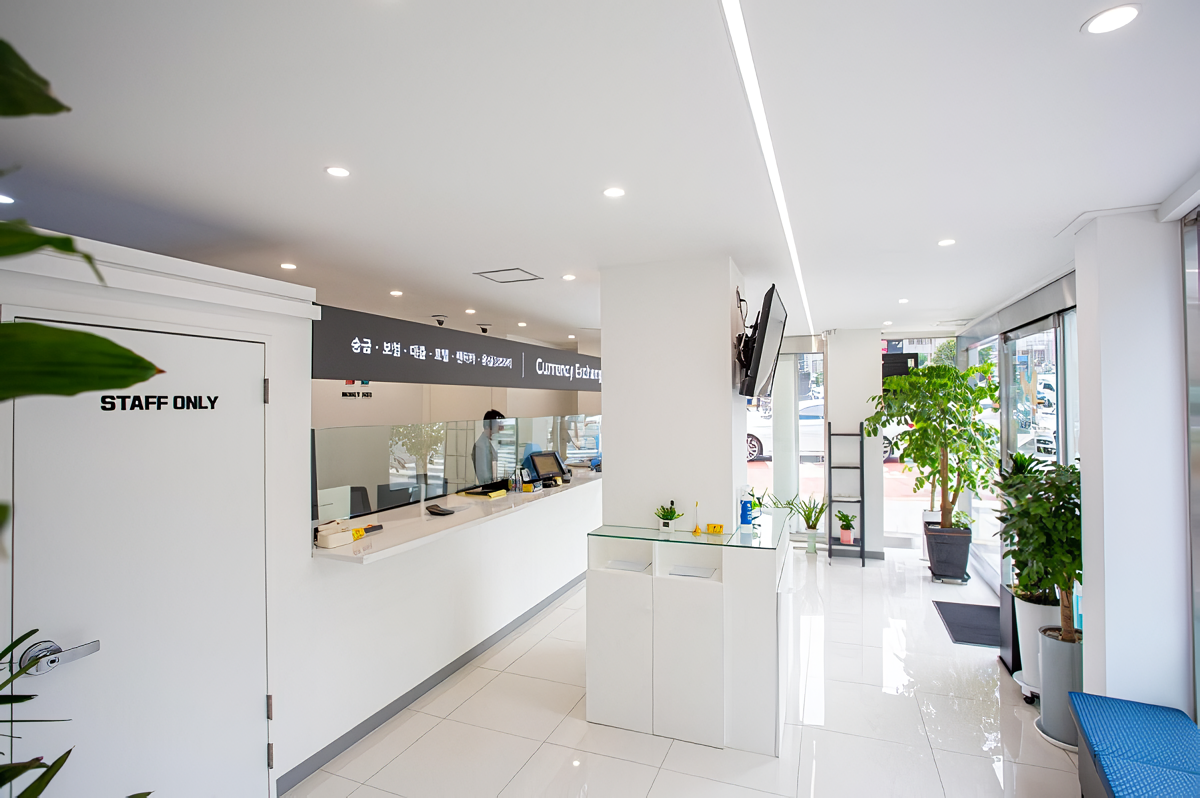
Money in Korea
Best exchange rates, ATMs & how to pay
Read guide →Korean cuisine (hansik) is built around balance — fermented sides (banchan), a steaming bowl of rice, and a main dish that changes with the season. Meals are served all at once rather than in courses, and sharing dishes at the table is the norm. The depth of flavor comes from slow-fermented pastes like doenjang (soybean) and gochujang (chili), which form the backbone of soups, stews, and marinades across the country.
Nowon-gu in northeastern Seoul is a large residential district known for its community-focused dining culture. Local restaurants here serve the kinds of meals families eat daily — doenjang jjigae, guk-based soups, grilled fish — without the theatrics of trendier areas. It's a neighbourhood that rewards those looking for genuine everyday Korean food at prices that haven't been adjusted for tourists.
I stopped by the Chunhyangol Nam-eun Chueotang branch for lunch today, and I felt great because the atmosphere was nice, the food tasted good, and the service was good.
Korean blogger posts. Links open original posts on Naver.