Essentials
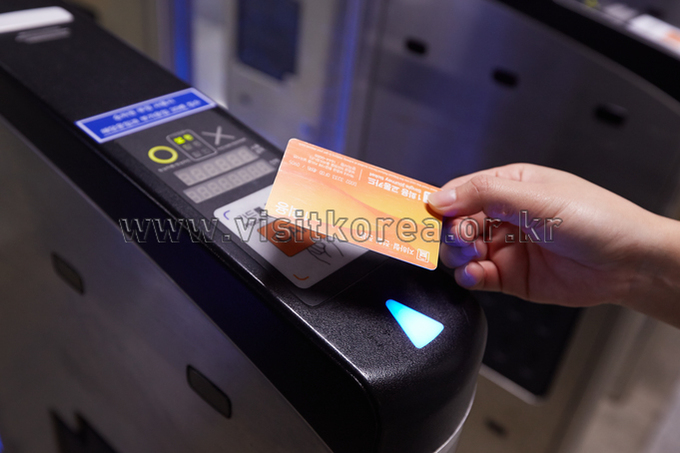
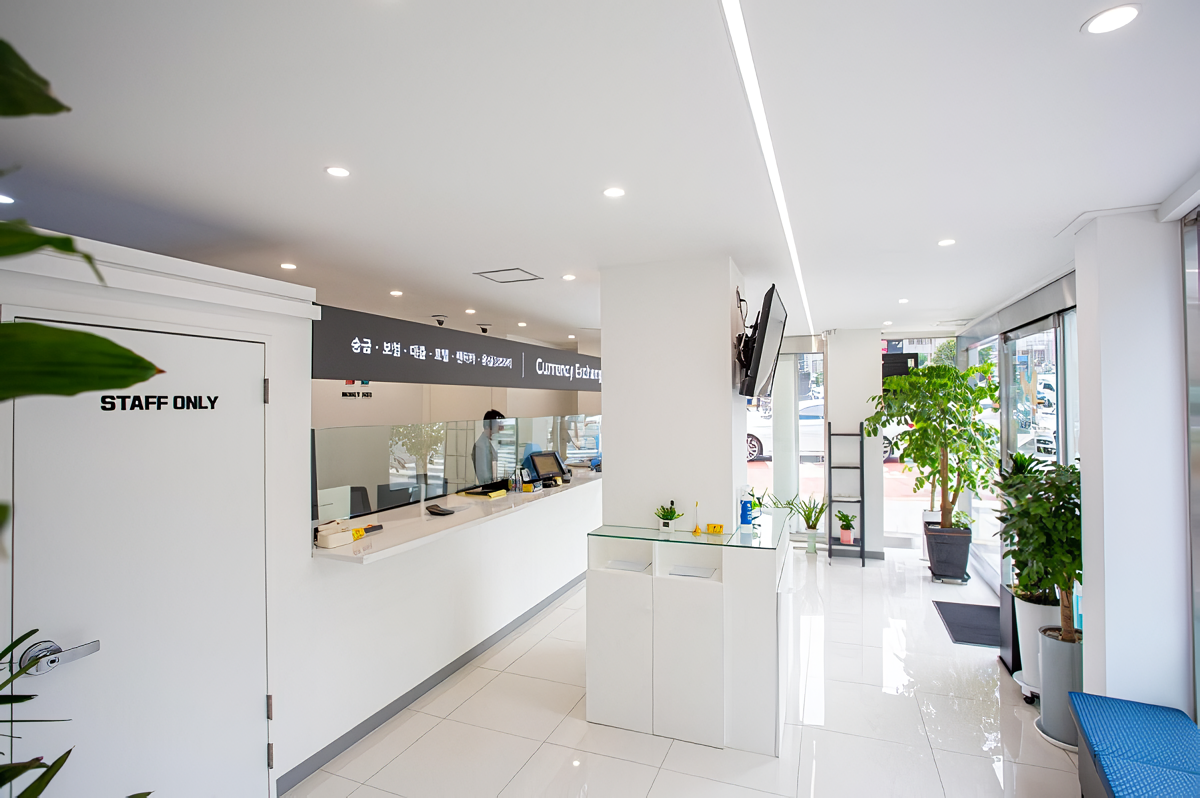
Money in Korea
Best exchange rates, ATMs & how to pay
Read guide →Korean cuisine (hansik) is built around balance — fermented sides (banchan), a steaming bowl of rice, and a main dish that changes with the season. Meals are served all at once rather than in courses, and sharing dishes at the table is the norm. The depth of flavor comes from slow-fermented pastes like doenjang (soybean) and gochujang (chili), which form the backbone of soups, stews, and marinades across the country.
Mapo-gu — home to Hongdae, Sinchon, and Hapjeong — is Seoul's youth and arts district, defined by its university population, live music venues, and creative energy. The food scene is diverse, affordable, and experimental: trendy cafés, late-night pojangmacha, global street food, and boundary-pushing restaurants all compete for attention in this perpetually buzzing neighbourhood.
I love how friendly the owner is, and the food is clean and not overly salty. I enjoyed the seafood-filled Samseon Jjamppong, the thick pork tangsuyuk, and the fried rice.
Korean-style Chinese cuisine It's located near the Seoul Western District Court. The restaurant isn't very large. The jjambbong is just okay, lacking any flavor. What's the specialty here? It's located in a back alley, so you'll have to search for it.
Korean blogger posts. Links open original posts on Naver.