Korean
Korean cuisine (hansik) is built around balance — fermented sides (banchan), a steaming bowl of rice, and a main dish that changes with the season. Meals are served all at once rather than in courses, and sharing dishes at the table is the norm. The depth of flavor comes from slow-fermented pastes like doenjang (soybean) and gochujang (chili), which form the backbone of soups, stews, and marinades across the country.
Mapo-gu
Mapo-gu — home to Hongdae, Sinchon, and Hapjeong — is Seoul's youth and arts district, defined by its university population, live music venues, and creative energy. The food scene is diverse, affordable, and experimental: trendy cafés, late-night pojangmacha, global street food, and boundary-pushing restaurants all compete for attention in this perpetually buzzing neighbourhood.
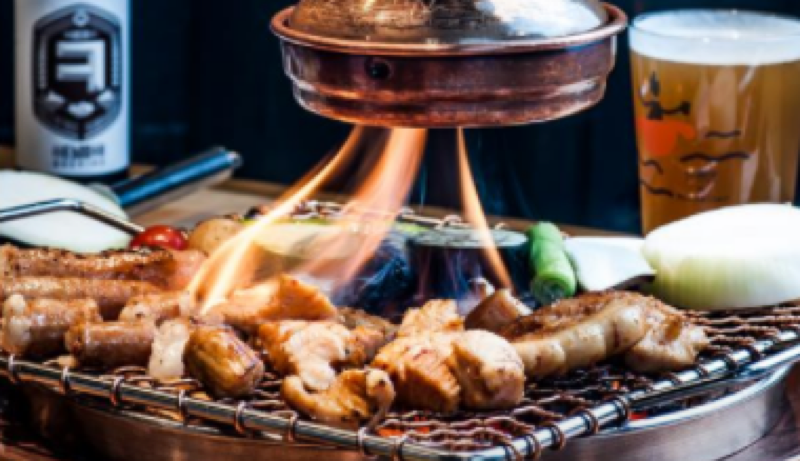
This is the place where I truly discovered the amazing taste of grilled beef intestines (yang-daechang). The free side dishes are absolutely amazing — especially when you eat them with chamnamul (Korean wild greens). Even if you’re not familiar with Korean BBQ, no worries! The staff grill everything for you, so you can just sit back and enjoy. It really feels like you’re being taken care of. And the best part? No corkage fee! Such a great perk.
Korean blogger posts. Links open original posts on Naver.