Essentials
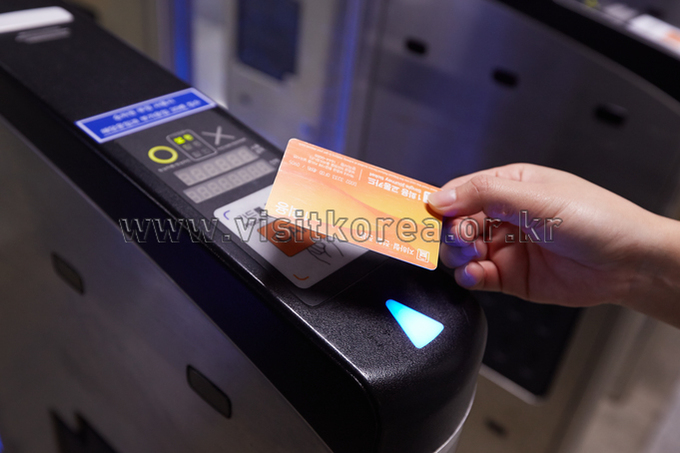
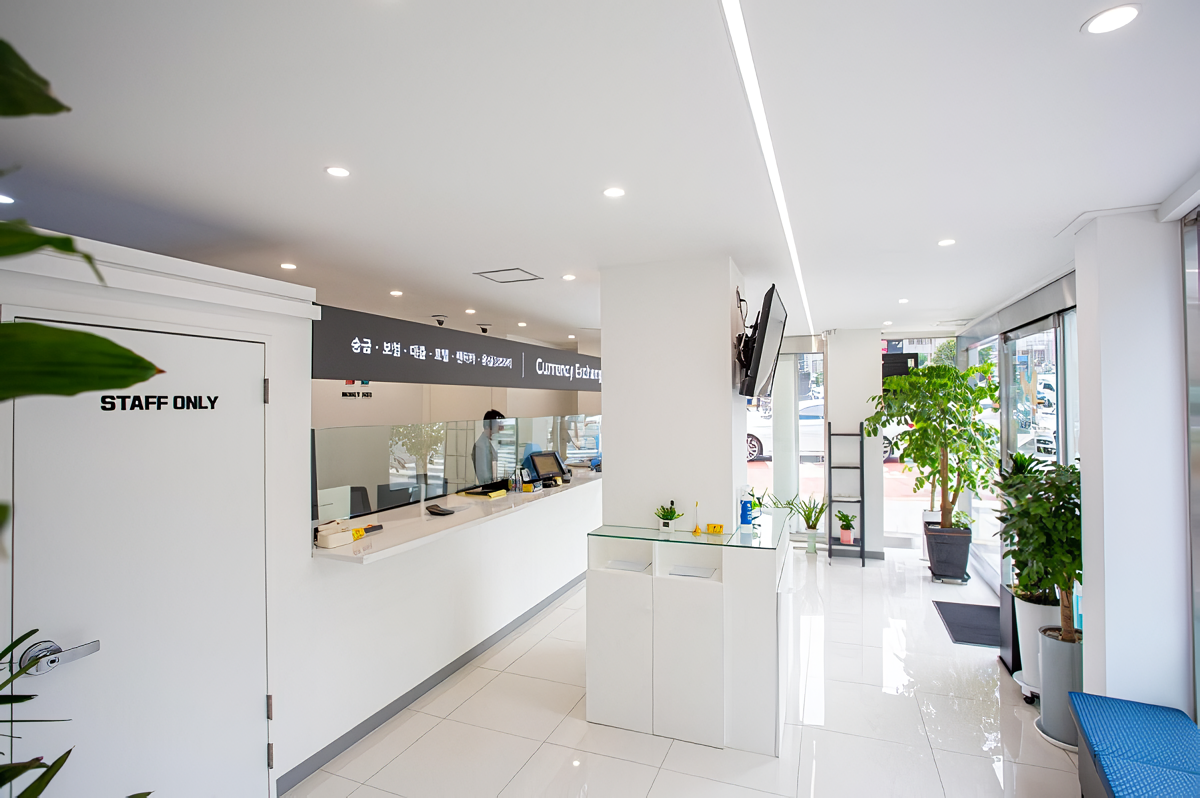
Money in Korea
Best exchange rates, ATMs & how to pay
Read guide →Korean cuisine (hansik) is built around balance — fermented sides (banchan), a steaming bowl of rice, and a main dish that changes with the season. Meals are served all at once rather than in courses, and sharing dishes at the table is the norm. The depth of flavor comes from slow-fermented pastes like doenjang (soybean) and gochujang (chili), which form the backbone of soups, stews, and marinades across the country.
Jung-gu sits at the geographic and commercial center of Seoul, encompassing Myeongdong (K-beauty and street food), Namdaemun Market, and the financial district. The food here spans the full range — from tourist-facing street stalls in Myeongdong to understated lunch joints serving office workers, and traditional Korean restaurants that have operated for decades without needing to advertise.
Great food and experience, and most importantly, foreigner friendly! Owner was very kind and communicated with us via a translator, answering all questions. He even gave us instructions on how to best enjoy the meal and where the lovely tea was from when we asked. Very quiet spot. Since it’s a specialty restaurant, you are limited to one order per person (one menu only) but the portion size is great and super tasty. They only serve 30 portions a day, so be sure to check their opening hours.
Korean blogger posts. Links open original posts on Naver.
#Hoehyeon-dong #Seoseol "A Wall That Kindness Alone Cannot Overcome!" I don't eat unagi (eel) often in Korea. That is because, unless it is a place known for being exceptional, it is quite tasteless. Whenever I go to Japan, I always make sure to eat unagi. That is because it is tastier than in Korea, even at most places. It is quite ironic that despite these technical differences, the number of restaurants serving Hitsumabushi is increasing these days. Located at the Hoehyeon-dong intersection at the foot of Namsan Mountain, Seoseol is known as a reasonably priced eel restaurant downtown, so it is a place I have wanted to visit for a long time. I made a reservation by phone, and I was impressed by how kindly they treated me right from the start. It is also unique that they have their own deposit system instead of using a reservation system. I was surprised once again by the size, which was smaller than I expected; the kitchen is also small enough to be full with only about two people. Ordering is easy since there is only one item on the menu, Hitsumabushi, but the composition can be described as a Korean style imitating Japan. A simple salad, soft steamed egg custard, and miso soup. The side dishes consist of chives, dried seaweed flakes, shredded perilla leaves, pickled radishes, takuan, pickled ginger, and wasabi. While they may look appealing, they are second-tier accompaniments that seem to be there merely for show and are not even worth touching. The eel is disappointing just by looking at it as soon as it is served. Its dry appearance and thin eel bun fail to whet the appetite. As for the taste, the dry texture, resembling semi-dried fish, does not harmonize well with the rice. Ultimately, while this place's strengths lie in its low entry barrier due to low prices and the owner's friendliness, it leaves much to be desired when evaluated solely on the food. If they improve their cooking methods, it seems like it could become a much better restaurant than it is now.