Essentials
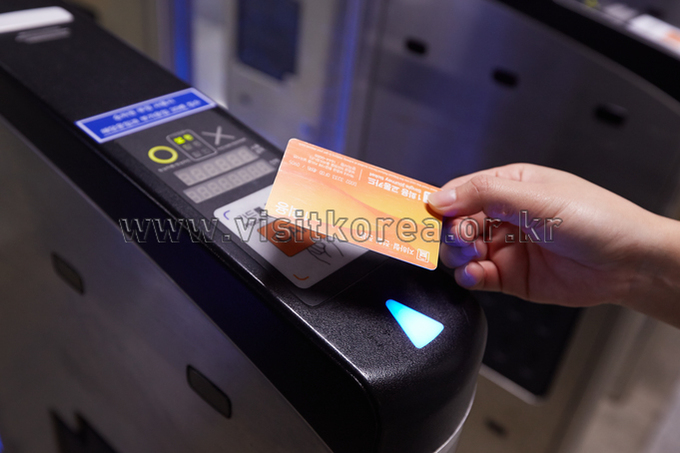
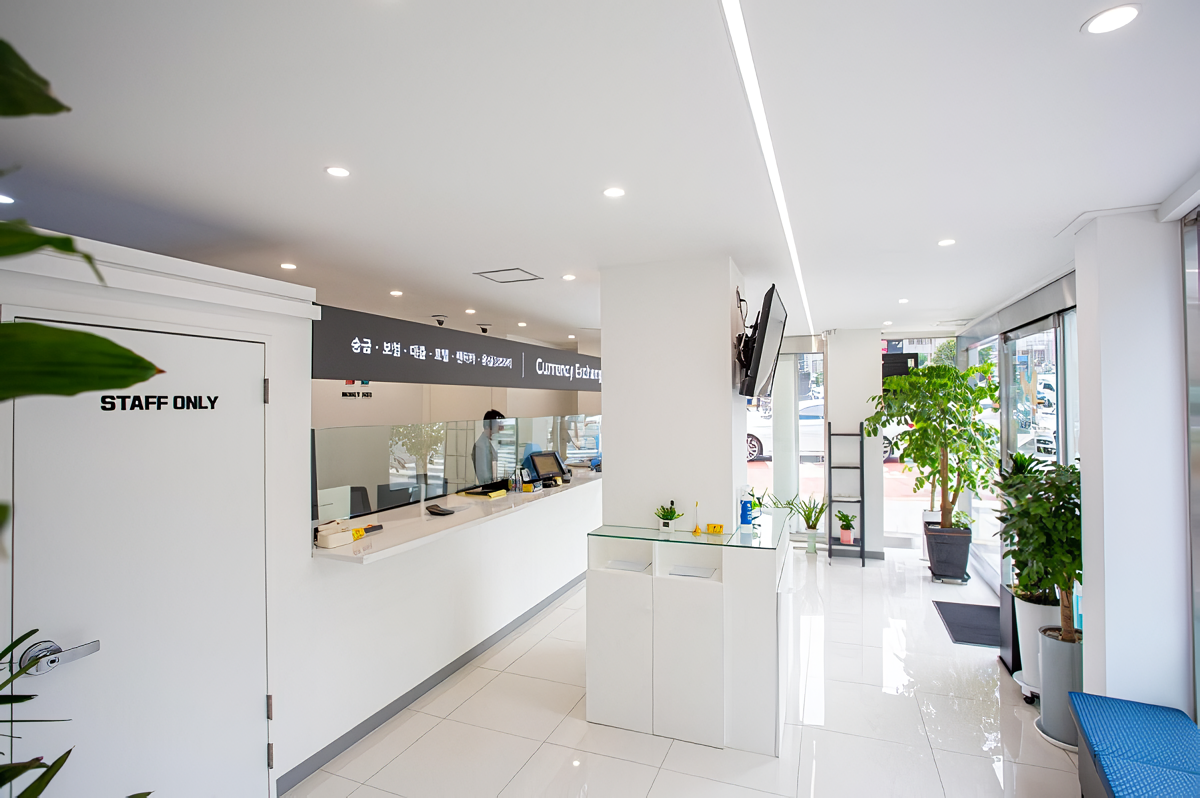
Money in Korea
Best exchange rates, ATMs & how to pay
Read guide →Korean cuisine (hansik) is built around balance — fermented sides (banchan), a steaming bowl of rice, and a main dish that changes with the season. Meals are served all at once rather than in courses, and sharing dishes at the table is the norm. The depth of flavor comes from slow-fermented pastes like doenjang (soybean) and gochujang (chili), which form the backbone of soups, stews, and marinades across the country.
Jongno-gu is the historic heart of Seoul, containing Gyeongbokgung Palace, Bukchon Hanok Village, and Insadong's antique street. The area balances ancient and modern — traditional Korean restaurants, teahouses, and street food vendors operate alongside contemporary galleries and specialty coffee shops. Eating here feels like a connection to centuries of Seoul food culture.
The owner of this restaurant was incredibly hospitable. Knowing I was a tourist, she gave me special tips on how to best enjoy the food and even used a translator to communicate with me. The kimchi chicken stew was delicious. When I left, the owner even came out to say goodbye, which was very heartwarming. It was the first time in my many visits to Seoul that I felt so welcome. I will definitely be back again.
Korean blogger posts. Links open original posts on Naver.