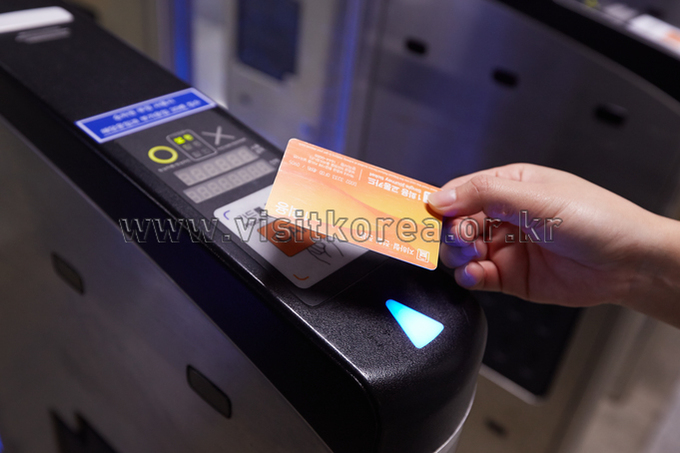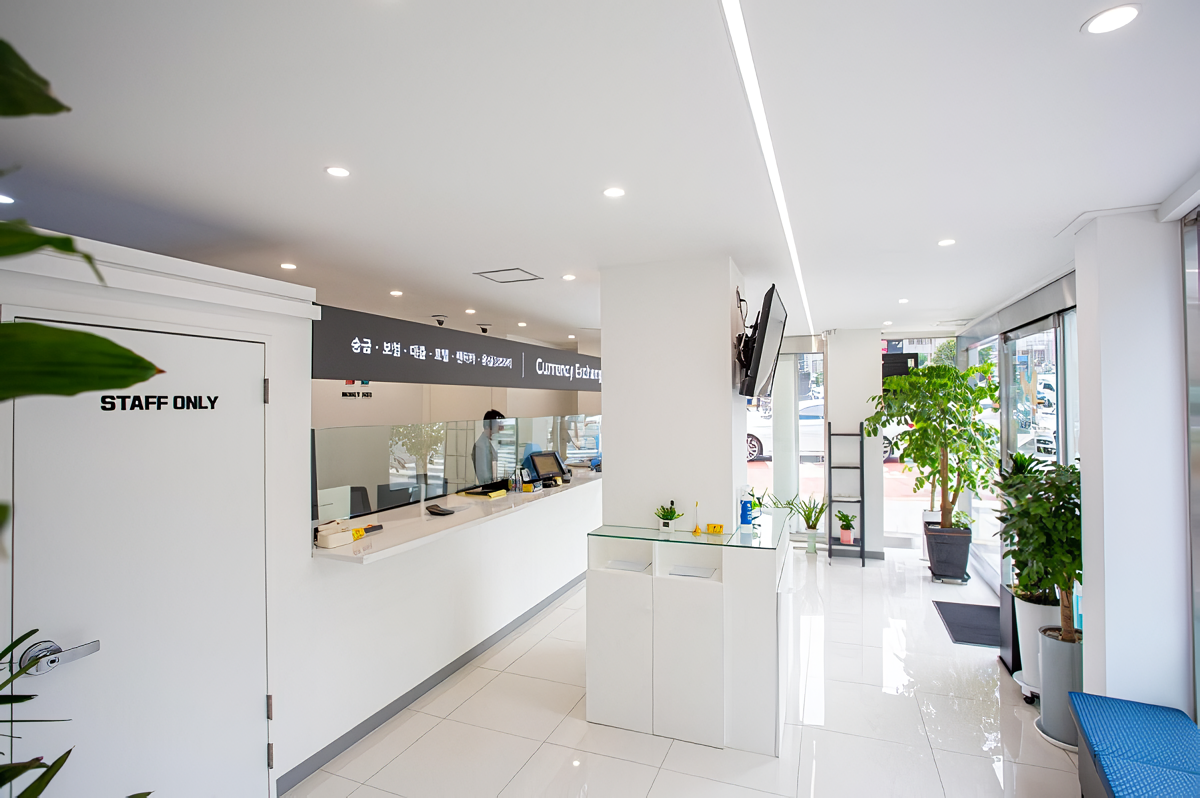
Essentials
Money in Korea
Best exchange rates, ATMs & how to pay
Read guide →Korean cuisine (hansik) is built around balance — fermented sides (banchan), a steaming bowl of rice, and a main dish that changes with the season. Meals are served all at once rather than in courses, and sharing dishes at the table is the norm. The depth of flavor comes from slow-fermented pastes like doenjang (soybean) and gochujang (chili), which form the backbone of soups, stews, and marinades across the country.
Geumcheon-gu, home to the G-Valley IT district, has developed a food scene driven by its young tech-worker demographic — specialty coffee, quick-service Korean and international options, and after-work drinking culture around Gasan Digital Complex.
This is one of the most famous restaurants in Gwangmyeong Market. Watching them cook, you can see they practically fry the pancakes with oil, likely due to the abundance of ingredients rather than just flour. I highly recommend eating in; it pairs perfectly with makgeolli. It's a cozy market restaurant. The seafood pajeon pictured here costs 16,000 won.
Visited on the weekend. Purchased a 20,000 won assorted pancake. I was craving the pink sausage pancake, so I bought it. The sausage was thick and delicious, and the batter wasn't too thick, which was nice. Always crowded.
Korean blogger posts. Links open original posts on Naver.
1. The bindaetteok (mung bean pancakes) are quite large. 2. It's quite crowded even during the day. There are quite a few elderly people. 3. It's a good value restaurant. 4. They offer a variety of makgeolli (rice wine) and make their own dongdongju (rice wine).