Essentials
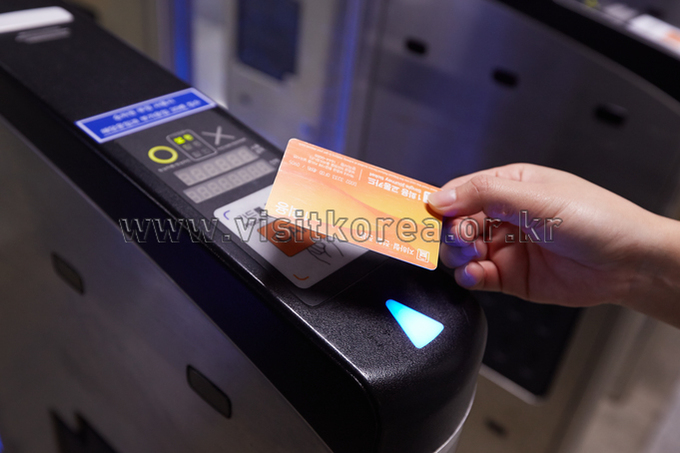
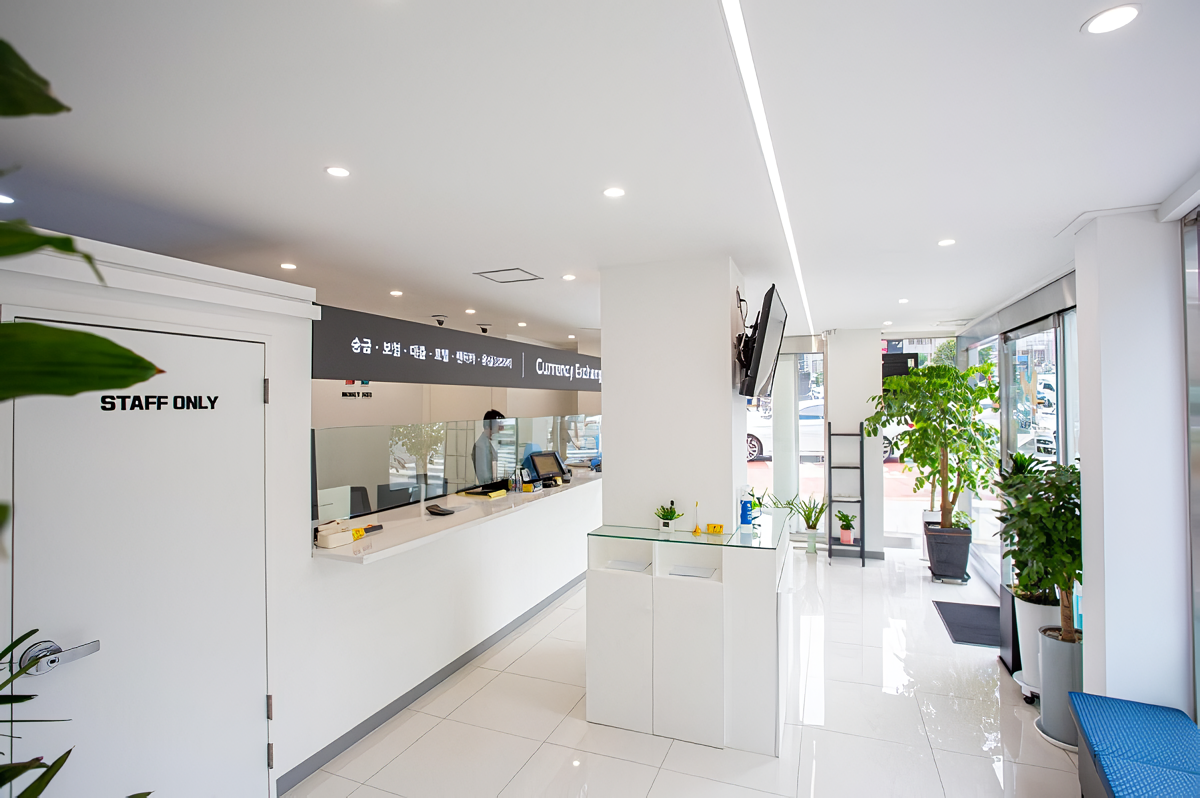
Money in Korea
Best exchange rates, ATMs & how to pay
Read guide →Korean cuisine (hansik) is built around balance — fermented sides (banchan), a steaming bowl of rice, and a main dish that changes with the season. Meals are served all at once rather than in courses, and sharing dishes at the table is the norm. The depth of flavor comes from slow-fermented pastes like doenjang (soybean) and gochujang (chili), which form the backbone of soups, stews, and marinades across the country.
Geumcheon-gu, home to the G-Valley IT district, has developed a food scene driven by its young tech-worker demographic — specialty coffee, quick-service Korean and international options, and after-work drinking culture around Gasan Digital Complex.
Special Sundae Gukbap... The broth is odorless and light, and the sundae and meat are plentiful, so I'm full even without rice. The regular portion seems generous. I'm also looking forward to the gamjatang.
July 17, 24. A 9,000-dollar plate of Sundaeguk. Looking for a soup to fill my empty stomach after a company dinner the night before, I headed into Myeongga Sundaeguk, a place I'd had my eye on for a while. It was lunchtime, but it was relatively quiet. I liked that there was no waiting. The tables were set up, and they were neatly arranged in layers. (The exterior looked a bit shabby, so I wondered if it might be run-down, but the interior was clean.) The taste was average. It was a musty, market-style flavor with a slight gamey smell. The portion was sufficient. However, the broth was a bit lacking for a hangover cure. And finally, the kimchi! You can tell if a gukbap restaurant is good by the quality of the kimchi, and both the napa cabbage kimchi and radish kimchi here had a perfectly clean, crisp taste. I especially frown when radish kimchi is mushy or under-fermented, but the condition and fermentation level were excellent here.
Korean blogger posts. Links open original posts on Naver.