Korean
Korean cuisine (hansik) is built around balance — fermented sides (banchan), a steaming bowl of rice, and a main dish that changes with the season. Meals are served all at once rather than in courses, and sharing dishes at the table is the norm. The depth of flavor comes from slow-fermented pastes like doenjang (soybean) and gochujang (chili), which form the backbone of soups, stews, and marinades across the country.
Gangnam-gu
Gangnam-gu is Seoul's upscale business and entertainment district south of the Han River. Home to K-pop entertainment companies, COEX Mall, and the Apgujeong-Rodeo shopping strip, it attracts young professionals, tourists, and K-drama fans. Restaurants here tend toward the polished and premium, with a density of international cuisine, high-end Korean dining, and trendy cafés.
Chive kimchi and radish kimchi are delicious.
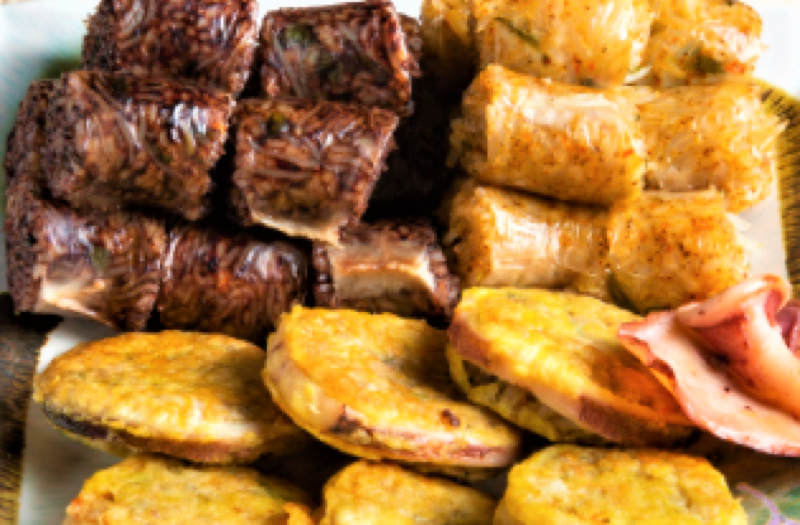
I’ve been coming here for over 20 years, and some places remain consistent or even improve with time. Unfortunately, this isn’t one of them. While the prices continue to rise, the overall taste and quality of the food have declined from what they once were. The cold noodles are actually better than the main menu item, sundae. If you’re visiting Seoul, you might still enjoy the food, but I’m sharing this review based on my past experiences.
Korean blogger posts. Links open original posts on Naver.