Best Historic Sites in Jeju-do
Historic Palaces, Temples & Ancient Ruins
Explore Jeju-do's most significant historic palaces, temples & ancient ruins. Learn about Korea's rich heritage and plan your visit.
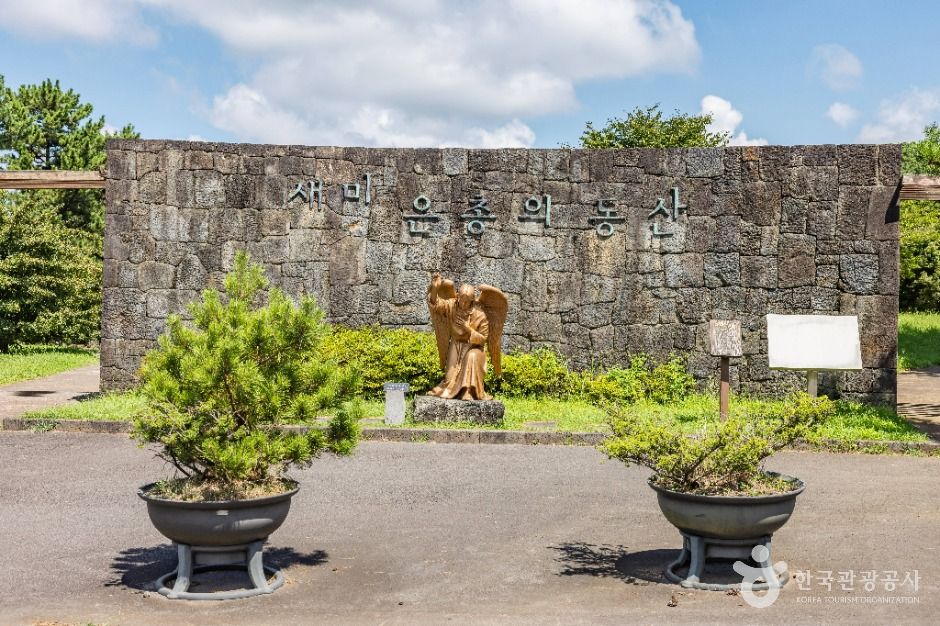
Saemi Eunchong Hill (Hill of Grace)
새미은총의동산
Saemi Eunchong Hill is a Catholic pilgrimage site of the Jeju Diocese behind Isidore Ranch, with a "Life of Jesus" park depicting twelve key events, the Trinity Cathedral, and open grounds for outdoor Mass, open to visitors around the clock.
Historic SiteCultural
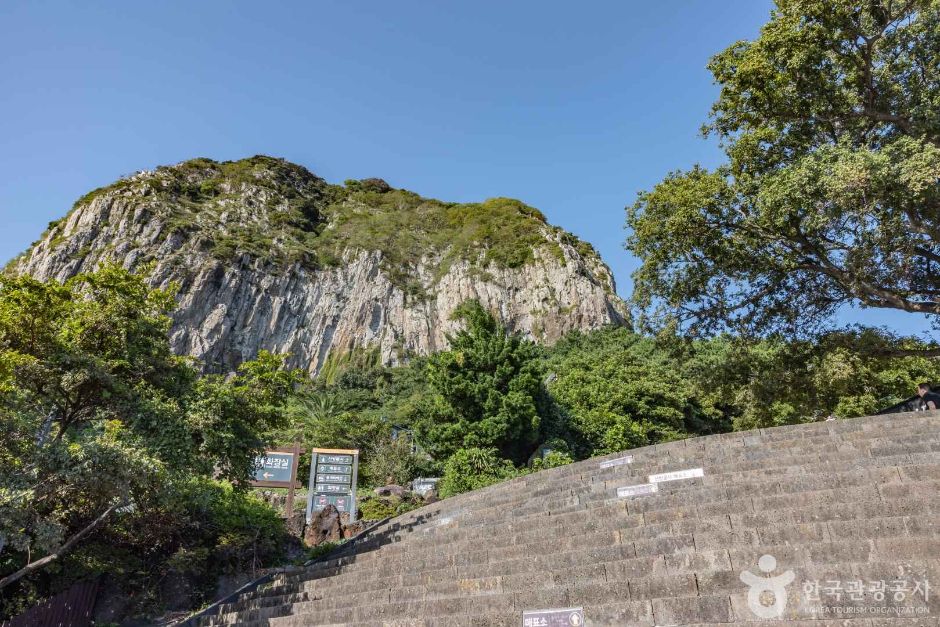
Sanbanggulsa Grotto Temple
산방굴사(제주)
Sanbanggulsa, one of the Ten Views of Yeongju, is a sea-cave grotto temple set 150m up the slope of Sanbangsan in Andeok-myeon, said to date to the Goryeo period and once frequented by the exiled scholar Kim Jeong-hui.
Historic SiteCultural
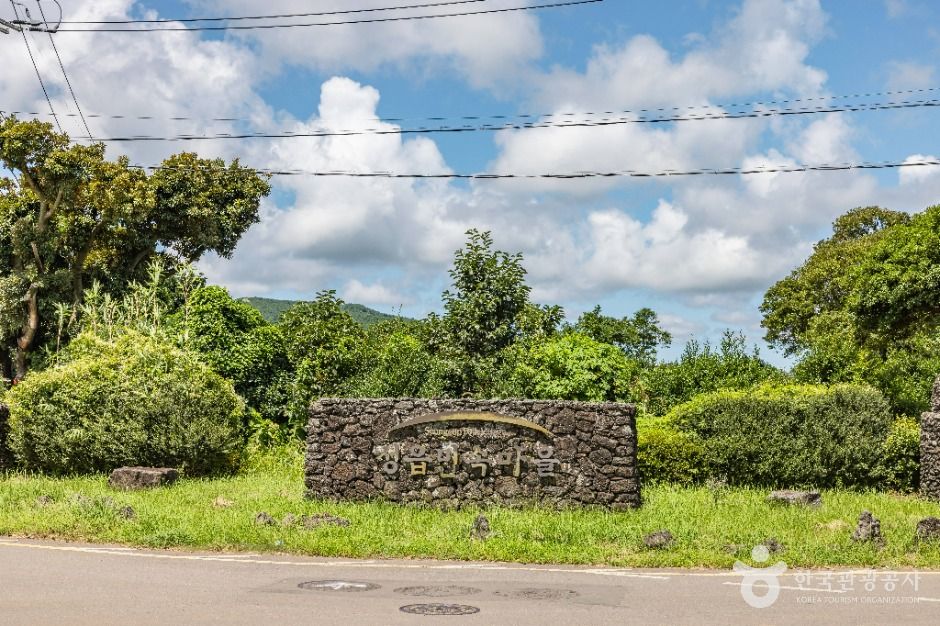
Seongeup Folk Village
성읍민속마을
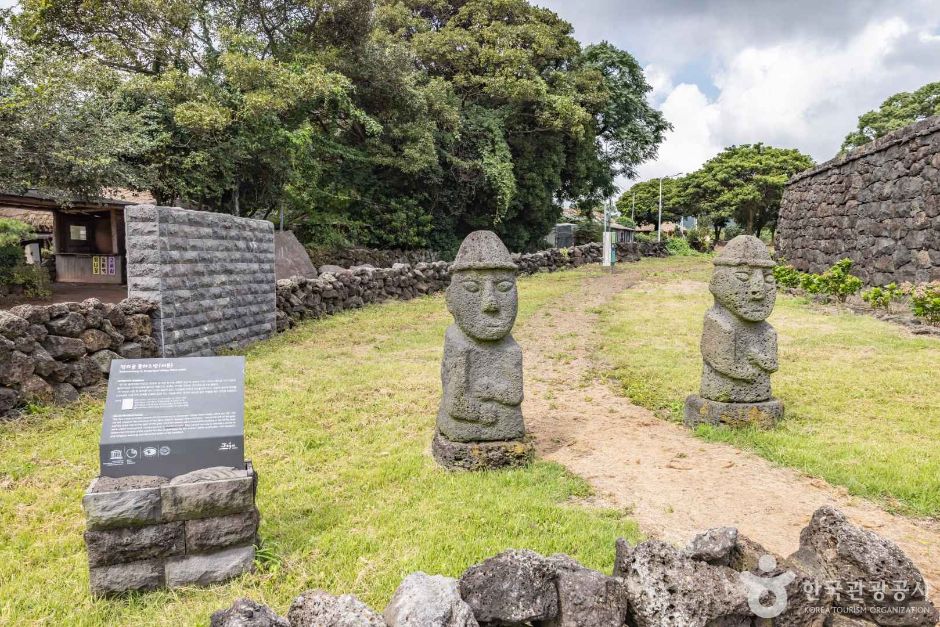
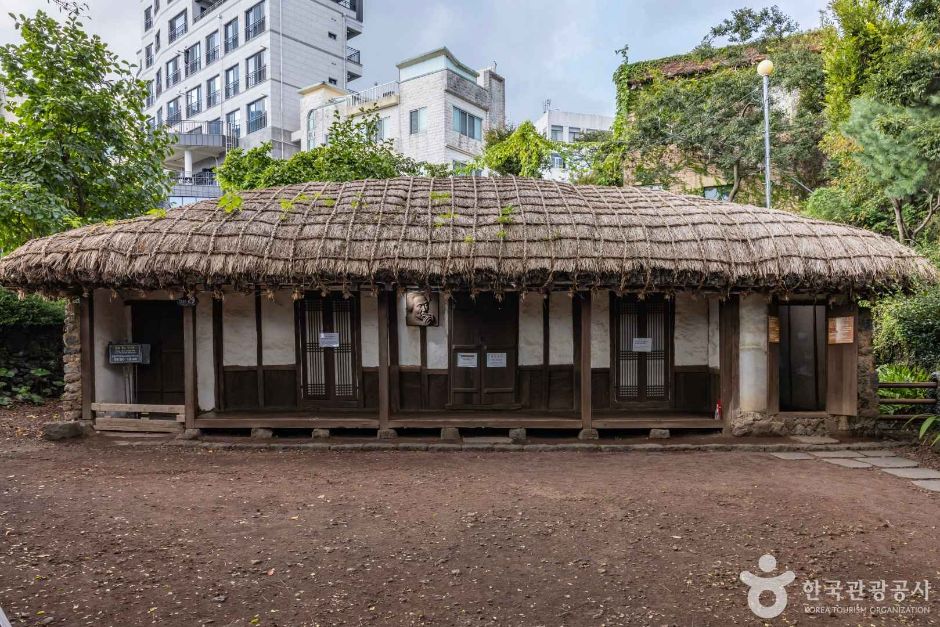
Seongeup Folk Village was the capital of Jeongui-hyeon from 1410 to 1914 and preserves traditional Jeju thatched houses, a Confucian school, stone grandfather statues and old town walls, along with intangible heritage such as folk songs and dialect.
Historic SiteCultural
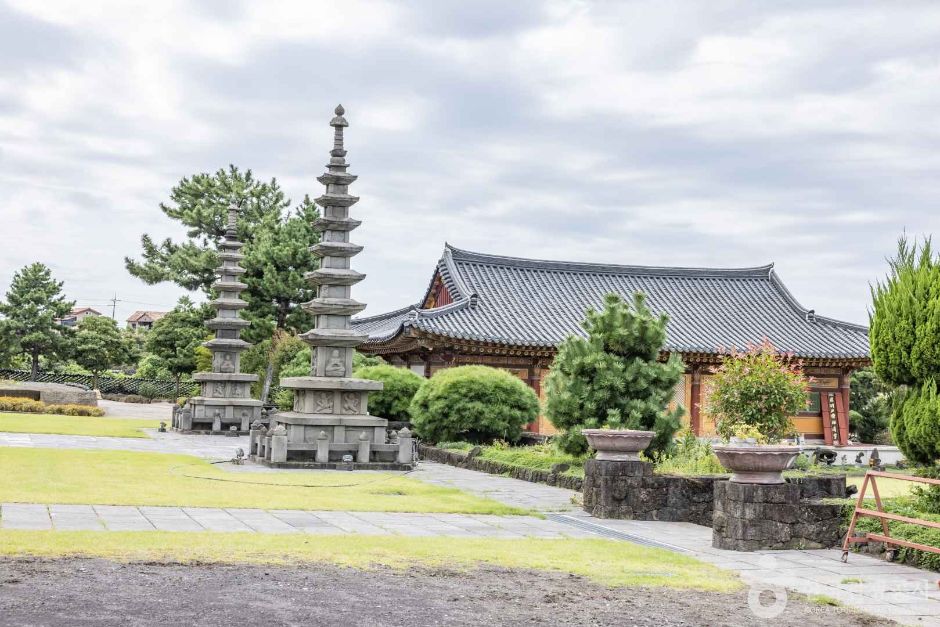
Seonunjeongsa Temple
선운정사
Seonunjeongsa, on Jeju Olle Course 15, is known for its nighttime scenery lit by hundreds of LED lotus lanterns, and houses the Seonunjeongsa stone seated Bhaisajyaguru Buddha designated a Jeju cultural heritage material.
Historic SiteCultural🌃Night View
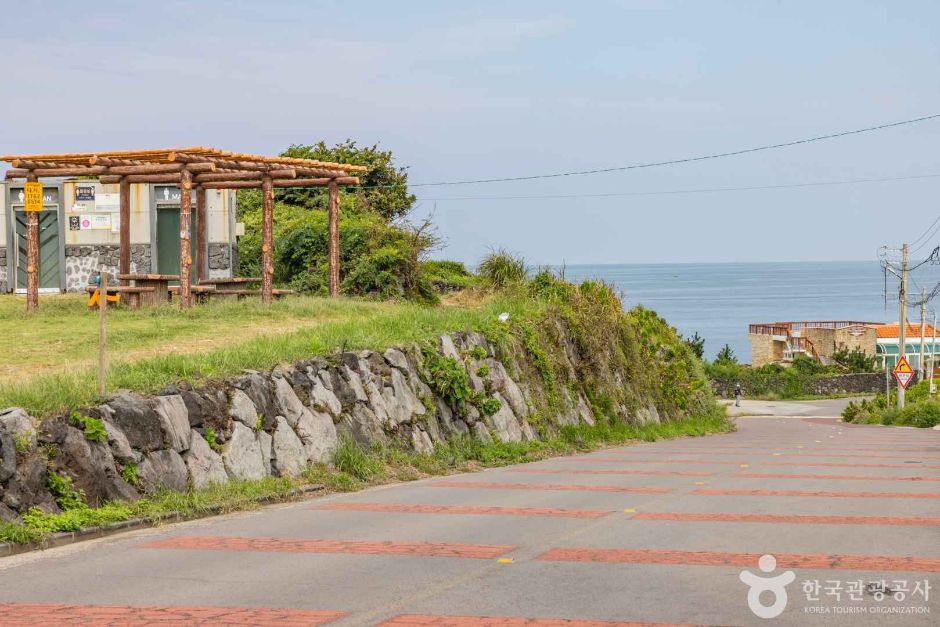
Sinchon 4.3 Fortress Site
신촌 4·3 성터
The Sinchon 4.3 Fortress Site is a stone wall built by residents to keep watch during the Jeju 4.3 incident in Sinchon-ri, a village active in the independence movement, located near Dakmeoreu Coast on Coastal Trail Course 50.
Historic SiteCultural
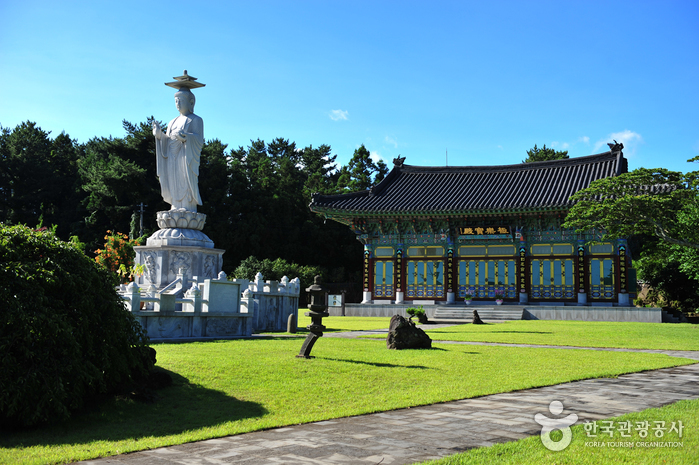
Woljeongsa Temple (Jeju)
월정사(제주)
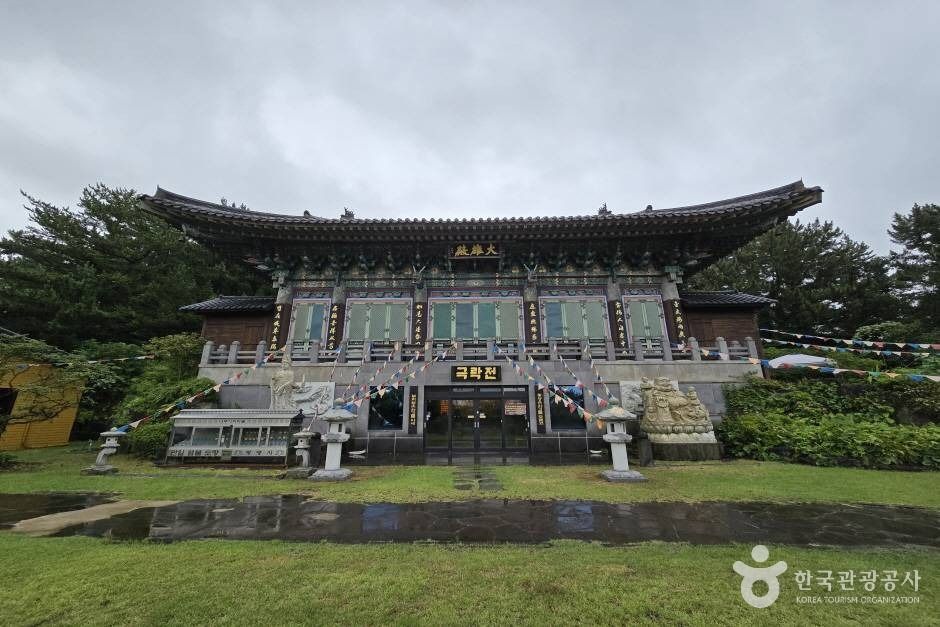
Woljeongsa, a branch temple of Gwaneumsa, became Jeju's first Buddhist meditation hall in 1938; rebuilt from the 1970s and designated a traditional temple in 2001, it preserves a seated Buddha and standing Bodhisattva named Jeju cultural heritage materials in 2002.
Historic SiteCultural
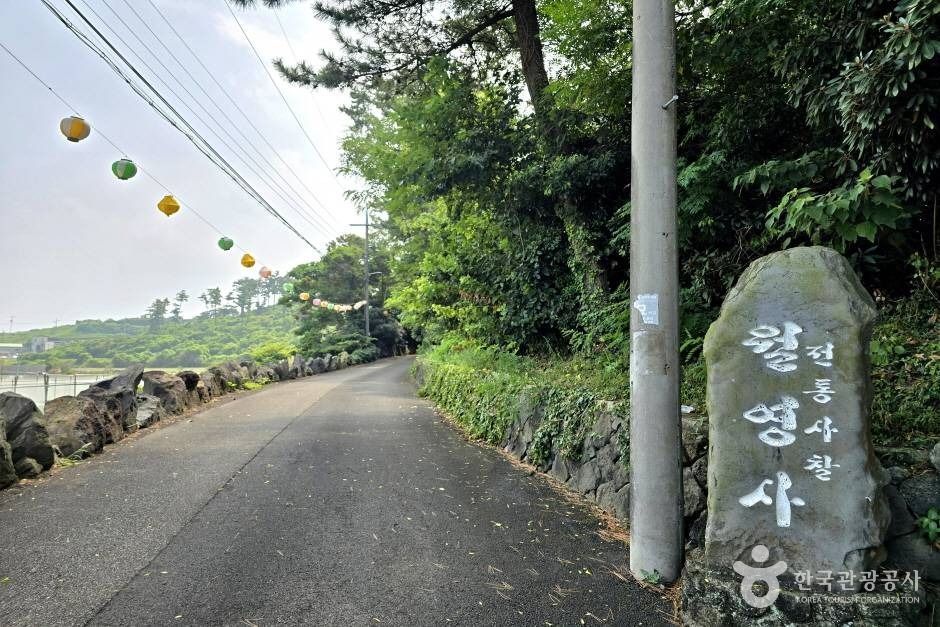
Wolyeongsa Temple (Jeju)
월영사(제주)
Wolyeongsa is a Taego Order temple on Pagunbong in Aewol-eup; founded in 1936 and destroyed in the 1948 Jeju 4.3 incident, it was rebuilt by the monk Jihak and enshrines a Joseon-era wooden seated Buddha designated a Jeju cultural heritage material.
Historic SiteCultural
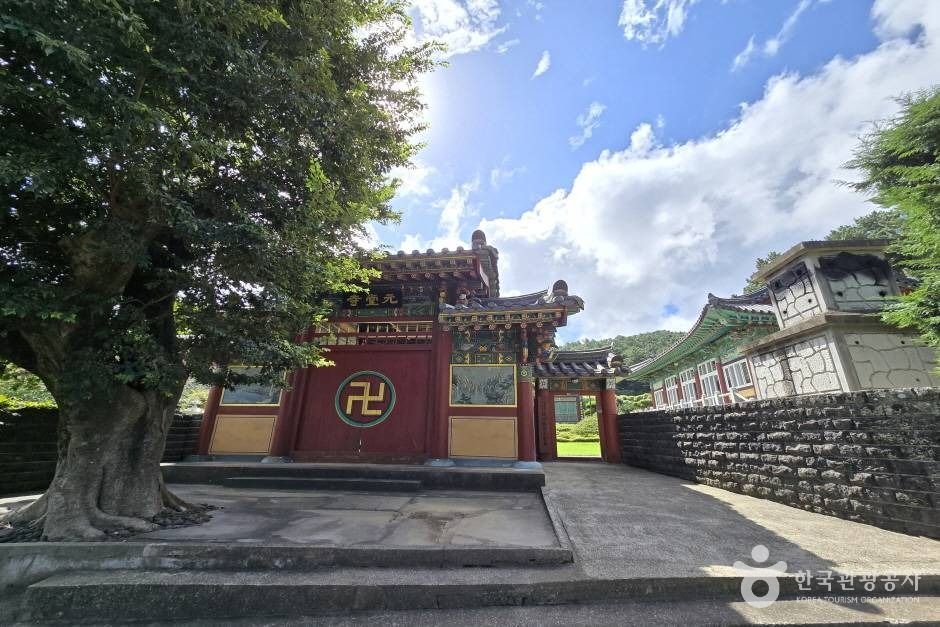
Wondangsa Temple Site
원당사지
Wondangsa Temple Site in Jeju City is the former grounds of a temple built by Yuan-dynasty people when Tamna was under Yuan rule, surviving into the mid-17th century, where the Treasure-designated five-story stone pagoda still remains.
Historic SiteCultural
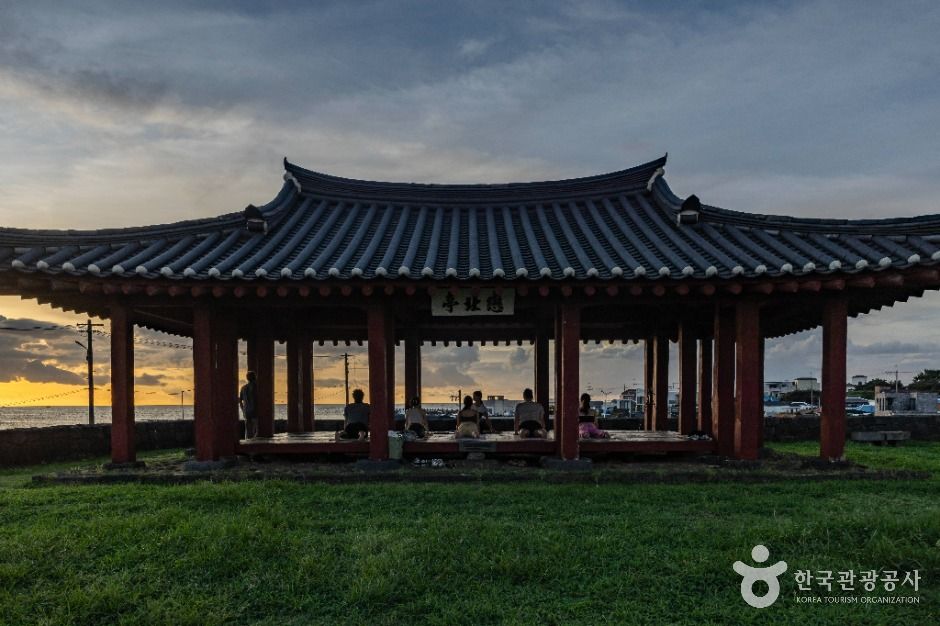
Yeonbukjeong Pavilion
연북정
Yeonbukjeong is a Joseon-era pavilion on the shore of Jocheon-ri, a designated Jeju Tangible Cultural Heritage; relocated and rebuilt in 1590 by commander Yi Ok as Ssangbyeokjeong, it served travelers awaiting favorable winds to the mainland.
Historic SiteCultural