Things to Do in Busan
Korea's salt-air second city, where mountain temples back onto neon beaches and a hillside art village looks out over the same blue water the fish market opens to at dawn. Here's how we'd actually spend the days.
Seoul gets the headlines, but ask any Korean where they'd rather spend a long weekend and a suspicious number will say Busan. The country's biggest port has a looseness Seoul doesn't — people swim before work, eat raw fish off plastic stools, and treat the sea less like scenery than like a neighbor. It's also genuinely walkable in chunks, stitched together by a clean, English-signed subway that'll get you from a 1,300-year-old temple to a rooftop cocktail in under an hour.
This isn't a checklist of everything with a star on a map. It's the stuff we send friends to — organized by the kind of day you're in the mood for. Beach day or temple day. Bathhouse afternoon or market crawl. Skip what doesn't fit and string the rest together; at the bottom we've laid out a two-day flow that hits the essentials without making you sprint.
Beaches & the coast
Busan's coastline does double duty — high-rise resort sand on one end, raw rocky islets on the other. Pick by mood: Haeundae for the scene, Gwangalli for the view, Songdo for the gimmicks, Oryukdo when you want the sea to feel wild again.
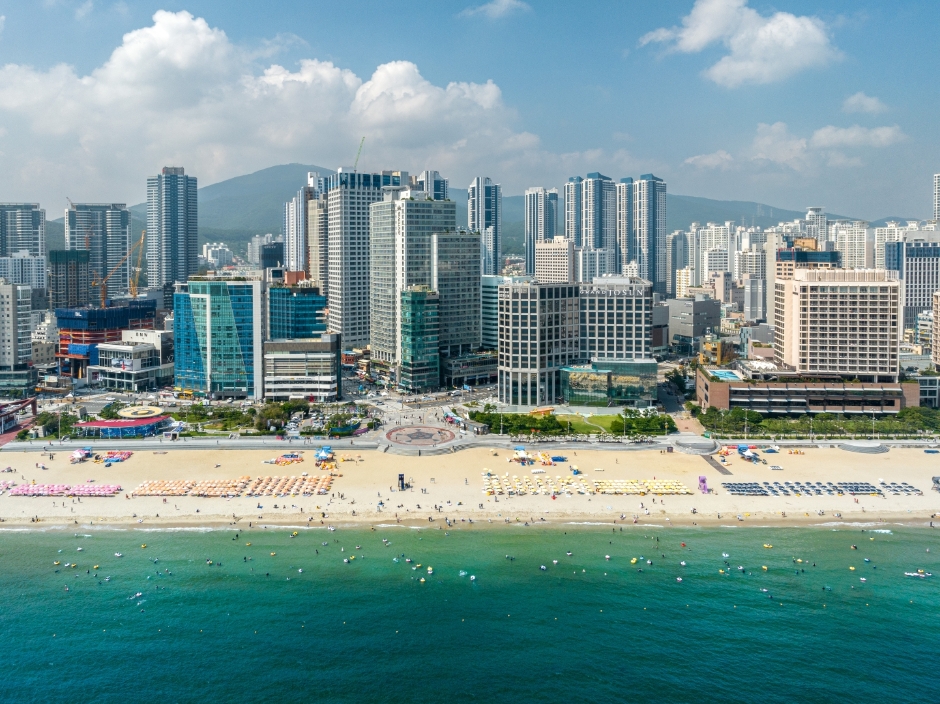 Haeundae Beach crescent
Why go: The postcard beach — wide, buzzy, and ringed by cafés and the Blueline Park coastal train just east.
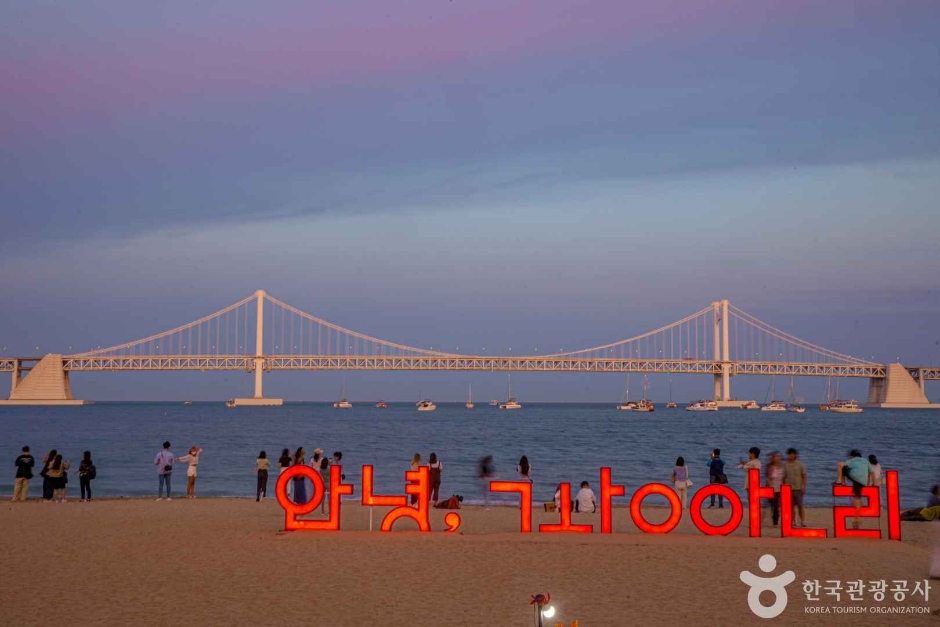 Gwangalli & the bridge
Why go: The bridge-and-skyline view is unbeatable after dark; weekend drone shows light up the water.
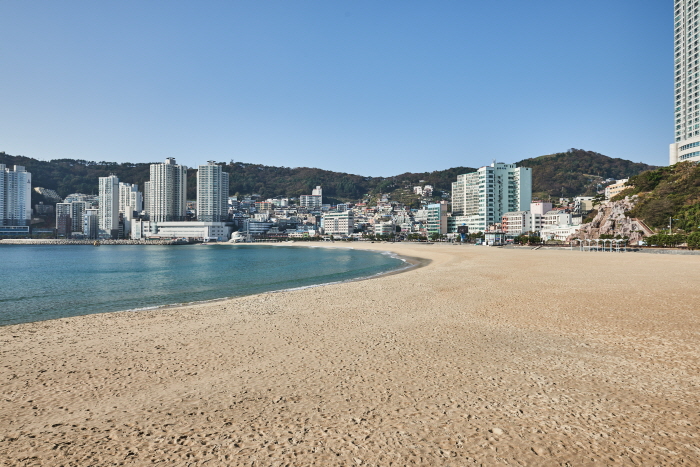 Songdo skywalk
Why go: Korea's oldest public beach, now with a sea-skywalk and a glass-floor cable car gliding over the bay.
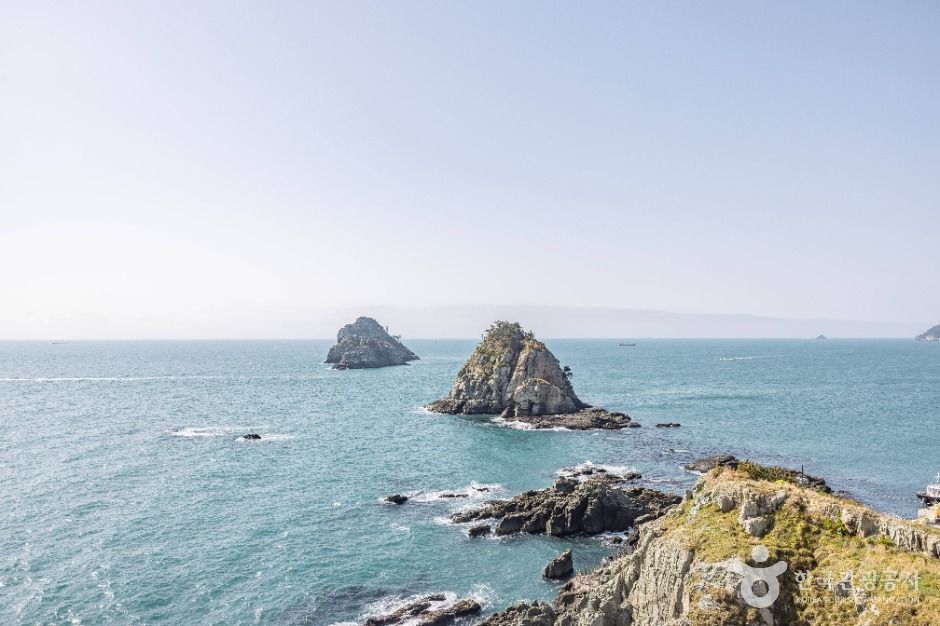 Oryukdo islets
Why go: Five-or-six rocky islets off a cliff edge, with a glass-floored skywalk over open sea.
Hot springs & bathhouses
Busan sits on real geothermal water, and Dongnae has been a soaking town for centuries. A bathhouse afternoon is the best possible cure for too much walking — and a quietly intimate window into how Koreans actually relax.
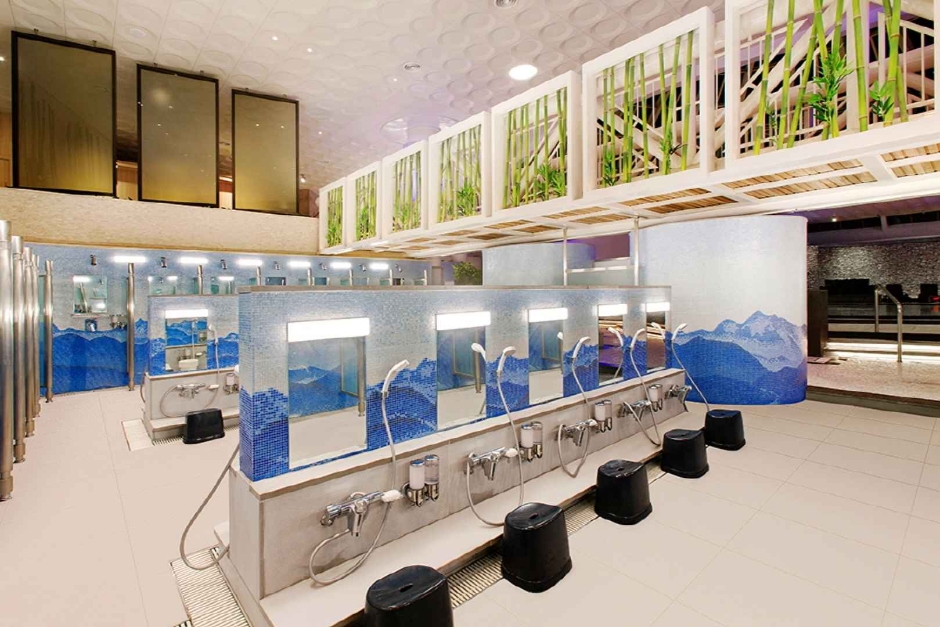 Dongnae hot spring district
Why go: The original spa quarter, soaked in for centuries — a whole neighborhood of steamy, no-frills bathhouses.
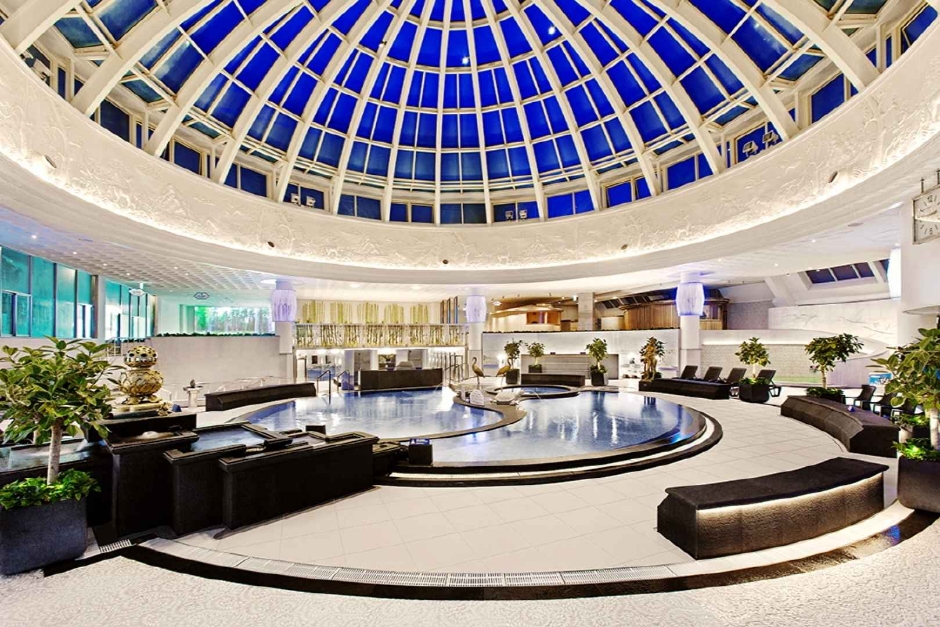 Heosimcheong grand bath hall
Why go: One of Asia's largest bathhouses — dozens of themed pools, so big it's almost impossible to feel self-conscious.
A note on bathhouse culture
Korean jjimjilbang are communal, and the bathing areas are nude (men and women separate) — no swimwear, and you scrub down before entering the pools. It feels daunting for about ninety seconds, then becomes the most relaxing thing you'll do all trip. Shoes off at the door, rent a towel, and don't skip the cold plunge after a hot soak. The mixed-gender sauna floors — where you wear the provided shorts and tee — are where families nap, kids run, and everyone eats baked eggs.
Temples & mountains
Behind the beaches, Busan rises fast into forested ridgelines. A morning at Beomeosa followed by a walk along the Geumjeong fortress wall is the city's best antidote to its own neon.
 Beomeosa temple gate
Why go: A serene mountain monastery on the slopes of Geumjeongsan — go early, before the tour groups, for the chanting.
 Geumjeong fortress ridge
Why go: Busan's guardian mountain, ringed by an old stone fortress wall — ridge views over the whole city and sea.
Viewpoints & night views
Busan was built to be looked at after dark. These three frame the city differently — a tower above the old port, a marina deck, and the bridge that ties it all together.
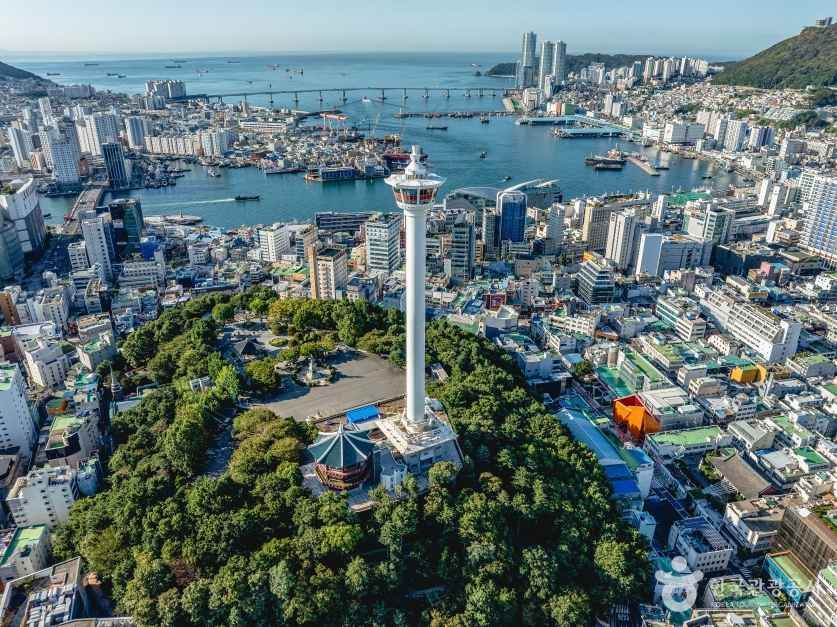 Busan Tower at night
Why go: The classic observation deck over the old downtown and harbor — go at golden hour and stay for the lights.
 The Bay 101 marina
Why go: A waterfront deck where the Marine City towers mirror in the water — the city's signature long-exposure shot.
 Gwangan Bridge lit up
Why go: The "Diamond Bridge" glows in shifting colors nightly — best watched with takeaway from Gwangalli's sand.
Villages & markets
This is the Busan that sticks with you: pastel hillside lanes, a seaside footpath through a real fishing neighborhood, and two markets where you eat standing up. Wear good shoes — the villages are all stairs.
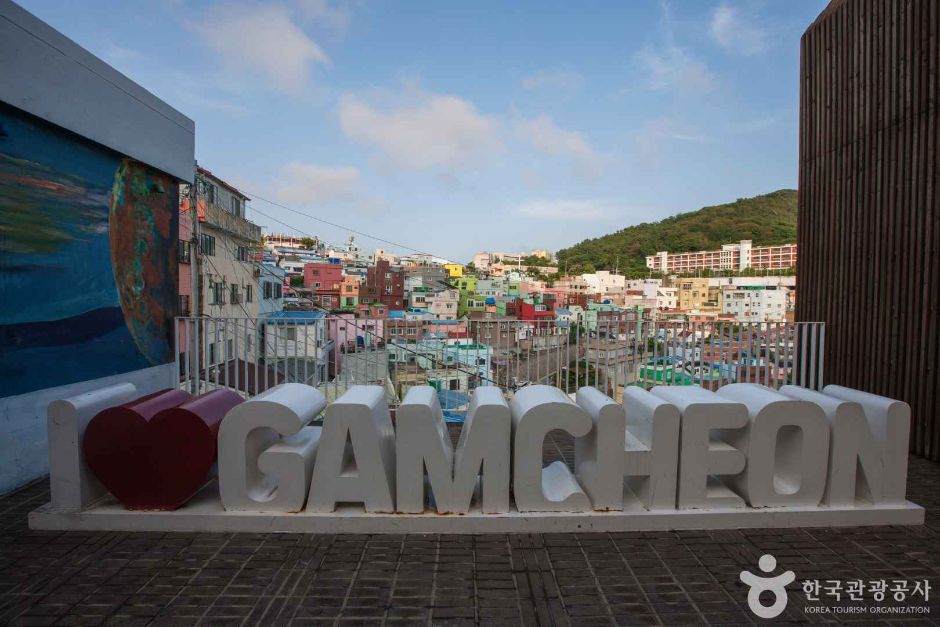
Gamcheon pastel hillsideWhy go: A tumbling hillside of candy-colored houses and tucked-away murals — go early to beat the crowds.
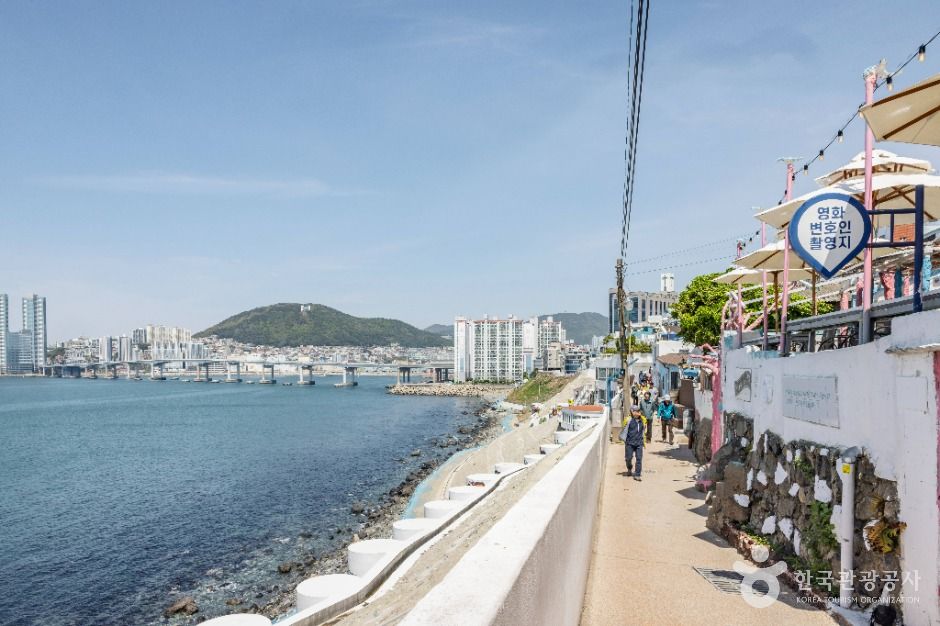 Huinnyeoul coastal path
Why go: A cliffside lane of white houses and indie cafés over the water on Yeongdo — quieter, dreamier, made for slow walking.
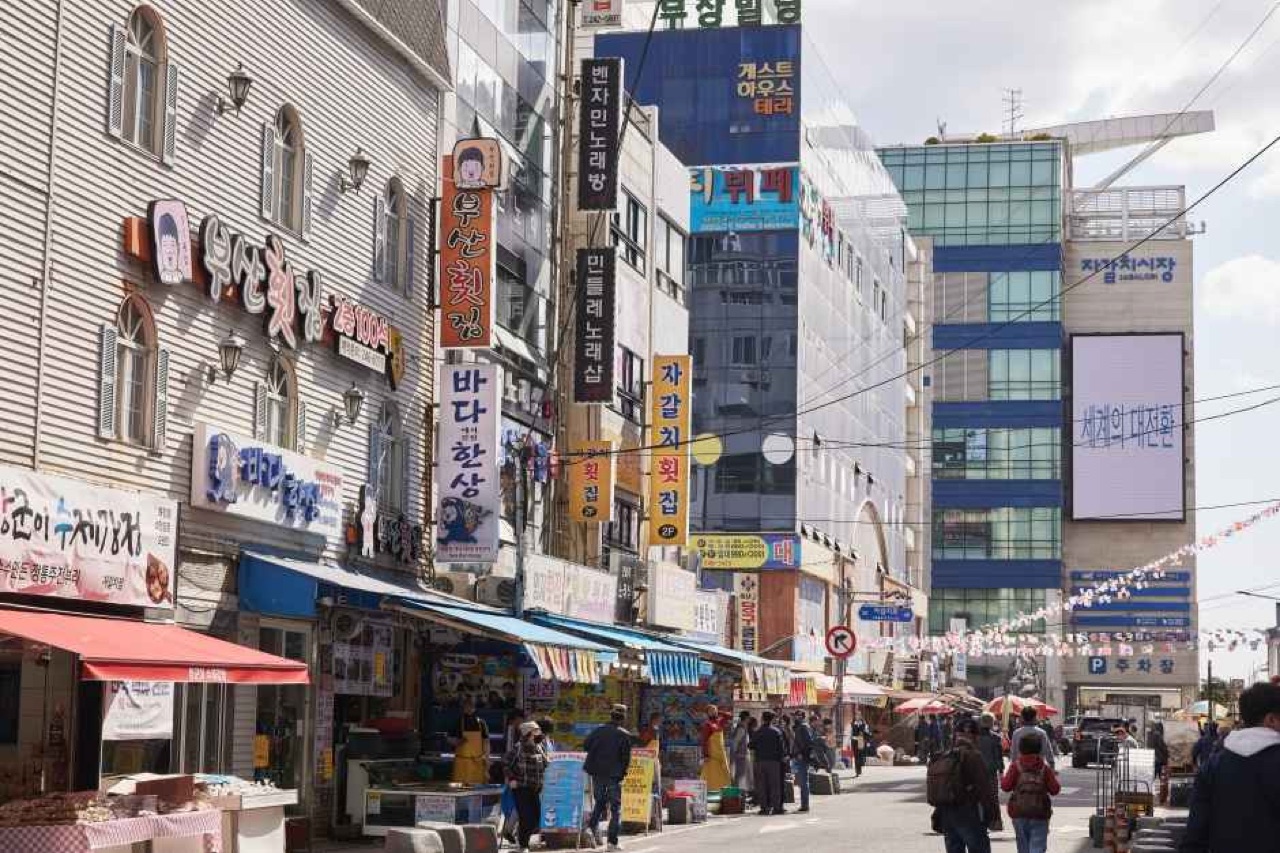 Jagalchi fish market
Why go: Korea's biggest fish market — pick your catch downstairs, have it sliced and served upstairs. Go hungry.
 Gukje Market alley
Why go: A maze of post-war market alleys and legendary street snacks — chase ssiat-hotteok and kalguksu at neighboring BIFF Square.
Suggested 2-day flow
A relaxed, subway-friendly route that pairs a beach-and-views day with a temple-and-old-town day. Adjust the pace to taste.
Day 1Coast, color & night views
- Morning — Start at Haeundae Beach, then ride the Blueline Park coastal train east.
- Midday — Lunch and a soak at Heosimcheong in Dongnae, or push on to Gamcheon Culture Village.
- Afternoon — Wander Gamcheon's lanes; coffee on the hillside.
- Evening — Gwangalli Beach for dinner, the bridge light show, and drinks on the sand.
Day 2Temple, mountain & old town
- Morning — Early train to Beomeosa Temple; short walk up Geumjeongsan's fortress wall.
- Midday — Down to Jagalchi Market for a fresh-off-the-boat seafood lunch.
- Afternoon — Browse Gukje Market & BIFF Square street food; up Busan Tower at Yongdusan.
- Evening — Sunset and reflections at The Bay 101 in Marine City.
Quick questions
More from Busan
Book Busan tours & passes
Skip-the-line tours, day trips & transit passes — booked in English.
Affiliate placeholder · We may earn a commission, at no extra cost to you.